Intro
Feline urinary tract health 2026 is a critical concern for every cat owner. Feline Lower Urinary Tract Disease (FLUTD) affects up to 3% of cats seen by veterinarians, making it one of the most common reasons for veterinary visits . This comprehensive guide to feline urinary tract health 2026 will help you understand the causes, recognize early symptoms, and learn about treatment options and prevention strategies. Whether your cat has been diagnosed with urinary issues or you simply want to keep them healthy, this guide is essential reading.
Conditions affecting the bladder and urethra can range from mild inflammation to life-threatening blockages, particularly in male cats. Understanding feline urinary tract health 2026 means knowing when to seek emergency care, how to choose the right diet, and what environmental factors contribute to urinary health.
Understanding Feline Lower Urinary Tract Disease (FLUTD)
What is FLUTD?
FLUTD is not a single disease but a term covering several conditions affecting the bladder and urethra:
- Feline Idiopathic Cystitis (FIC): Inflammation with no clear cause (most common, 50-60% of cases)
- Urinary stones (uroliths): Mineral crystals that form stones in bladder or urethra
- Urethral plugs: Accumulation of crystals, mucus, and cells blocking the urethra
- Urinary tract infections (UTIs): Bacterial infections (less common in cats than dogs)
- Anatomical abnormalities: Narrow urethra, bladder diverticula
- Injuries or tumors: Rare but possible
According to Cornell Feline Health Center , FLUTD can affect cats of any age but is most common in middle-aged, overweight, indoor cats.
Why Male Cats Are at Higher Risk
Male cats have narrower urethras, making them more prone to life-threatening blockages. A complete blockage is a medical emergency—without treatment, death occurs within 24-72 hours .
Common Causes of Urinary Issues in Cats
Dietary Factors
- Dry food only: Low moisture content leads to concentrated urine
- High mineral content: Excessive magnesium, phosphorus can promote crystal formation
- Acid-base balance: Urine pH outside optimal range (6.0-6.5) encourages crystal formation
- Food sensitivities: Some cats react to specific ingredients
Environmental Stress
Stress is a major trigger for Feline Idiopathic Cystitis:
- Changes in routine (new baby, new pet, moving)
- Dirty litter boxes
- Inadequate resources (too few litter boxes, food bowls per cat)
- Conflict with other cats
- Boredom and lack of enrichment
Lifestyle Factors
- Obesity: Increases risk of FLUTD
- Inactivity: Reduces bladder health
- Indoor confinement: May increase stress
- Inadequate water intake: Leads to concentrated urine
Veterinarians at AVMA emphasize that multi-modal environmental modification is key to managing FLUTD.
Recognizing Symptoms of Urinary Problems
Early Warning Signs
- Straining to urinate (often mistaken for constipation)
- Frequent trips to litter box with small amounts of urine
- Crying out in pain while urinating
- Blood in urine (pink or red discoloration)
- Urinating outside the litter box (on cool surfaces like tile or bathtub)
- Excessive licking of genital area
Emergency Signs (Life-Threatening!)
- Complete inability to urinate (straining with no urine production)
- Lethargy and hiding
- Vomiting
- Loss of appetite
- Distended, painful abdomen
⚠️ If your cat cannot urinate, seek emergency veterinary care immediately! This is a life-threatening emergency.
Diagnosis: How Veterinarians Find the Cause
Veterinary Examination
Your vet will typically perform:
- Physical exam: Palpating bladder, checking for pain
- Urinalysis: Checking for blood, crystals, bacteria, pH, concentration
- Blood work: Assessing kidney function, hydration status
- Imaging: X-rays or ultrasound to detect stones, tumors, anatomical issues
- Urine culture: If infection is suspected
Determining the Type of FLUTD
Accurate diagnosis is crucial because treatment differs dramatically:
- FIC: Managed with stress reduction, environmental enrichment, diet
- Stones: May require dietary dissolution or surgical removal
- Infection: Treated with antibiotics
- Blockage: Emergency urethral unblocking and hospitalization
Understanding the specific diagnosis is the foundation of feline urinary tract health 2026 management.
Treatment Options for Urinary Issues
Emergency Treatment for Blockages
- Immediate urethral unblocking: Sedation or anesthesia to flush out plug
- IV fluids: To correct dehydration and electrolyte imbalances
- Pain management: Cats in urinary distress are in severe pain
- Urinary catheter: May remain in place for 24-48 hours
- Hospitalization: Intensive monitoring and care
Medical Management
| Condition | Treatment Approach |
|---|---|
| FIC | Stress reduction, environmental enrichment, pain management, sometimes anti-inflammatories |
| Struvite stones | Prescription dissolution diet (breaks down stones over weeks) |
| Calcium oxalate stones | Surgical removal (cannot be dissolved dietarily) |
| UTI | Antibiotics based on culture results |
| Urethral plugs | Emergency removal, then dietary management to prevent recurrence |
Long-Term Dietary Management
Prescription urinary diets are cornerstone of managing feline urinary tract health 2026:
- Increased moisture: Canned food or added water
- Controlled minerals: Reduced magnesium, phosphorus
- Urine acidifiers: Maintain optimal pH (6.0-6.5) for struvite prevention
- Added omega-3s: Reduce inflammation
- Antioxidants: Support bladder health
AAHA guidelines recommend feeding a high-quality canned food as the foundation of urinary health.
Prevention: Keeping Your Cat’s Urinary Tract Healthy
1. Maximize Water Intake
- Feed canned food (minimum 70-80% moisture)
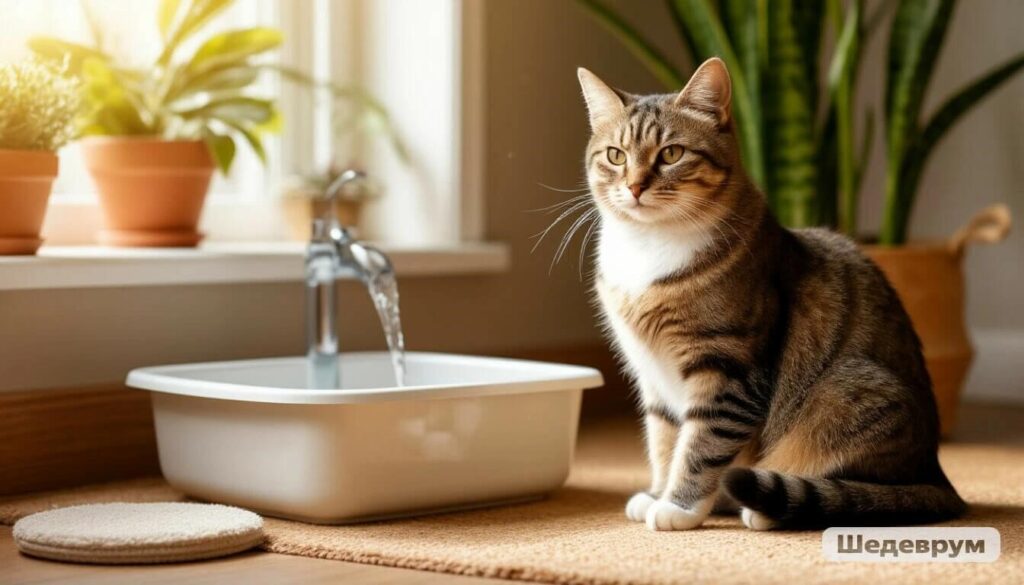
- Use water fountains (cats prefer moving water) – see our Best Automatic Pet Water Fountains 2026 guide
- Multiple water stations throughout house
- Flavored water (tiny bit of tuna juice, no salt)
- Ice cubes in water bowl (some cats enjoy)
2. Reduce Stress (Critical for FIC)
- Provide perches and hiding spots (vertical space)
- Multiple litter boxes (n+1 rule: number of cats + 1)
- Clean litter boxes daily (unscented, fine-grain litter)
- Consistent routine (feeding, play, cleaning)
- Feliway diffusers (synthetic feline pheromones)
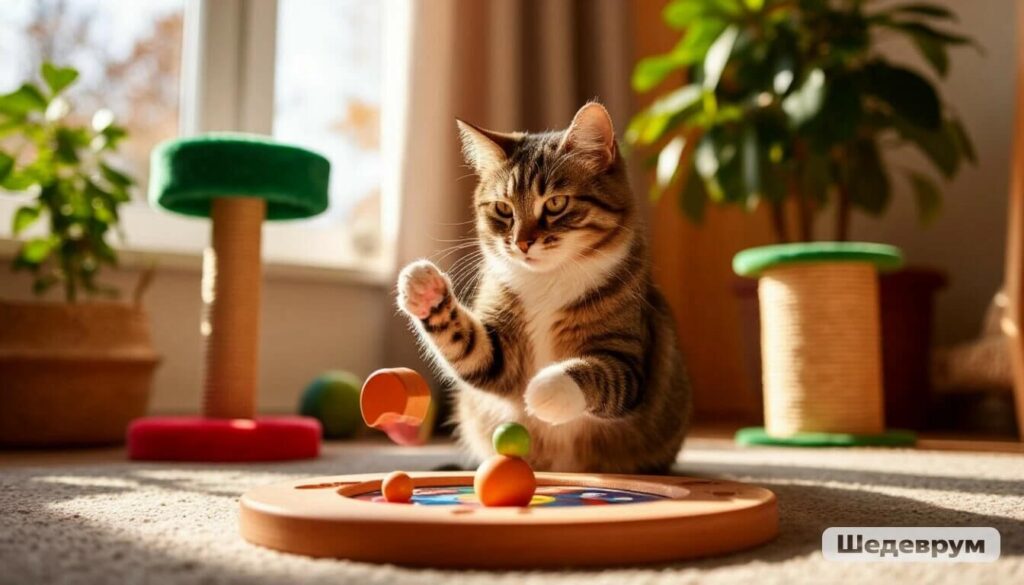
- Interactive play (15-20 minutes daily)
- Food puzzles (mental stimulation)
3. Maintain Healthy Weight
- Monitor body condition (you should feel ribs easily)
- Controlled portions (not free-feeding)
- Regular weigh-ins
- Best Smart Pet Scales 2026 can help track weight
4. Choose Appropriate Diet
- High-quality canned food (primary diet)
- Consult vet about prescription diets if your cat is at risk
- Avoid high-mineral treats
- Consistent diet (sudden changes can trigger issues)
5. Environmental Enrichment
- Cat trees and window perches
- Rotating toys
- Puzzle feeders
- Cat-safe plants (cat grass, catnip)
- Access to safe outdoor enclosure (“catio”)
Special Considerations for Cats with Recurrent Issues
When to See a Veterinary Specialist
- Recurrent blockages (may require surgery – perineal urethrostomy)
- Complicated stone cases (may need specialist imaging)
- Severe behavioral component (veterinary behaviorist)
Monitoring at Home
- Watch litter box habits daily (frequency, amount, straining)
- Use pH test strips (if recommended by vet)
- Track weight weekly
- Note stress triggers (visitors, changes, conflicts)
Frequently Asked Questions
How can I tell if my cat has a urinary tract infection vs. crystals?
Symptoms are similar; only urinalysis can distinguish. If you suspect any urinary issue, see your vet promptly.
Is dry food really that bad for urinary health?
Dry food alone doesn’t cause FLUTD, but low moisture content contributes to concentrated urine, which promotes crystal formation. Canned food is strongly preferred for cats with urinary issues.
Can stress really cause urinary problems?
Absolutely. Stress is the primary trigger for Feline Idiopathic Cystitis, the most common form of FLUTD. Managing stress is essential for prevention and treatment.
What’s the best water fountain for cats?
Look for fountains with:
- Quiet pumps (won’t frighten cats)
- Multiple flow options (stream, bubbling)
- Easy to clean (dishwasher-safe parts)
- Large capacity (less frequent refills)
Our Best Automatic Pet Water Fountains 2026 guide has detailed recommendations.
My cat had a blockage. Will it happen again?
Cats who have had one blockage are at increased risk. Strict adherence to dietary and environmental recommendations significantly reduces recurrence risk.
Can I use human cranberry supplements for my cat?
No! Human supplements may contain ingredients toxic to cats. Use only veterinarian-recommended feline products.
How often should I clean the litter box?
Daily scooping and weekly complete changes with unscented, fine-grain litter are ideal.
Conclusion
Feline urinary tract health 2026 requires a proactive, multi-faceted approach. By understanding the causes, recognizing early symptoms, and implementing prevention strategies, you can significantly reduce your cat’s risk of urinary issues.
Remember: adequate hydration, stress reduction, proper nutrition, and environmental enrichment are the cornerstones of urinary health. This guide to feline urinary tract health 2026 provides the knowledge you need to keep your feline friend happy and healthy.
For more ways to support your cat’s health, check out our guides on: