Intro
Cat allergies 2026 are among the most common reasons cats visit the veterinarian. Whether your cat is constantly scratching, suffering from recurrent ear infections, or experiencing digestive upset, allergies could be the culprit. In fact, skin allergies affect up to 15% of cats, and food allergies account for a significant portion of chronic itching and gastrointestinal issues .
This comprehensive cat allergies 2026 guide will help you understand the difference between food allergies and environmental allergies (atopy), recognize the signs, and work with your veterinarian to develop an effective management plan. We’ll cover diagnostic tools like elimination diets and intradermal testing, treatment options including medications, immunotherapy, and dietary management, and practical tips for reducing your cat’s exposure to allergens.
Understanding Cat Allergies
What Is an Allergy?
An allergy is an overreaction of the immune system to a normally harmless substance (allergen). In cats, allergies most commonly manifest as skin problems, ear infections, or digestive issues. The immune system mistakenly identifies the allergen as a threat and mounts an inflammatory response.
Types of Allergies in Cats
| Type | Cause | Signs |
|---|---|---|
| Food allergies | Specific proteins (beef, fish, chicken, dairy) | Itching (face, paws, ears), recurrent ear infections, vomiting, diarrhea |
| Environmental allergies (atopy) | Pollen, dust mites, mold, grasses | Itching (especially paws, belly, face), redness, hair loss, recurrent skin/ear infections |
| Flea allergy dermatitis (FAD) | Flea saliva | Intense itching, hair loss, redness near tail base, back, thighs |
| Contact allergies | Materials like carpet fibers, shampoos | Localized rash where skin touches allergen (paws, belly) |
Veterinarians at AVMA note that atopic dermatitis (environmental allergies) is one of the most common chronic conditions in cats.
Signs Your Cat May Have Allergies
Skin-Related Signs
- Intense itching (scratching, biting, licking), especially face, ears, neck, belly, and paws
- Red, inflamed skin
- Hair loss from scratching or over-grooming
- Miliary dermatitis (small crusty bumps, often on back)
- Recurrent ear infections (redness, odor, discharge)
- Excessive grooming (often mistaken for normal cleaning)
- Paw licking/chewing
Digestive Signs (Food Allergies)
- Vomiting
- Diarrhea (chronic or intermittent)
- Excessive gas
- Straining to defecate
Respiratory Signs (Less Common)
- Sneezing
- Watery eyes
- Nasal discharge
Food Allergies vs. Environmental Allergies
| Feature | Food Allergy | Environmental Allergy |
|---|---|---|
| Age of onset | Any age, often 6 months–6 years | Usually 1–3 years, but can develop later |
| Seasonality | Year-round | Often seasonal (pollen), but may be year-round with indoor allergens |
| Signs | Itching, ear infections, digestive upset | Itching (face, ears, paws), recurrent skin infections, miliary dermatitis |
| Diagnosis | Elimination diet trial | Intradermal skin testing or blood IgE testing |
| Treatment | Dietary avoidance | Allergen avoidance, medications, immunotherapy |
AAHA guidelines emphasize that distinguishing between food and environmental allergies is critical for appropriate management.
Diagnosing Food Allergies
The Elimination Diet Trial
The gold standard for diagnosing food allergies in cats is an 8-12 week elimination diet trial using a novel protein or hydrolyzed protein diet. Here’s how it works:
- Choose a test diet: Your vet will recommend a diet with a protein source your cat has never eaten (e.g., rabbit, venison, duck) OR a hydrolyzed protein diet (proteins broken into fragments too small to trigger allergies).
- Feed ONLY that diet for 8-12 weeks: This means NO treats, NO table scraps, NO flavored medications. Even a single bite of another food can ruin the trial.
- Monitor symptoms: Keep a journal of itching, ear infections, and digestive issues. Improvement typically takes 4-6 weeks.
- Challenge phase: If symptoms improve, your vet may have you reintroduce the old food to confirm the reaction returns.
Why Blood Tests Aren’t Reliable
Many companies market blood tests for food allergies, but studies show these tests have low accuracy and cannot replace an elimination diet . They often produce false positives and negatives, leading to unnecessary dietary restrictions.
See our Common Cat Health Problems guide for more on feline health issues.
Diagnosing Environmental Allergies
Intradermal Skin Testing
The gold standard for identifying environmental allergens. Small amounts of purified allergens are injected into the skin, and reactions are measured. This test must be performed by a veterinary dermatologist and requires sedation.
Blood Testing (Serum IgE Testing)
Blood tests can identify antibodies to specific allergens. While less invasive, they are slightly less accurate. Useful when skin testing isn’t available.

Treating Food Allergies
Dietary Management
Once the offending ingredient is identified, the solution is complete avoidance. This means:
- Choosing commercial foods without the allergen
- Reading labels carefully
- Avoiding cross-contamination
- Using a hydrolyzed diet if multiple allergies exist
See our How to Choose the Best Pet Food 2026 guide for tips on label reading.
Treating Environmental Allergies
1. Allergen Avoidance
- Pollen: Keep cats indoors during peak pollen times, wipe paws after any outdoor time
- Dust mites: Use allergen-proof covers on bedding, wash bedding weekly in hot water, use HEPA air purifiers
- Mold: Reduce humidity, fix leaks, clean damp areas
2. Medications
| Type | Examples | How It Works |
|---|---|---|
| Antihistamines | Diphenhydramine (Benadryl), cetirizine (Zyrtec) | Block histamine receptors; effective in some cats |
| Corticosteroids | Prednisolone, methylprednisolone | Powerful anti-inflammatories; short-term use only |
| Cyclosporine (Atopica) | Daily capsule | Modulates immune response; good for long-term management |
| Essential fatty acids | Omega-3 supplements | Support skin barrier and reduce inflammation |
Note: Apoquel is not approved for cats in many countries; Cytopoint is also not labeled for cats. Always use medications prescribed by your veterinarian.
3. Immunotherapy (Allergy Shots or Drops)
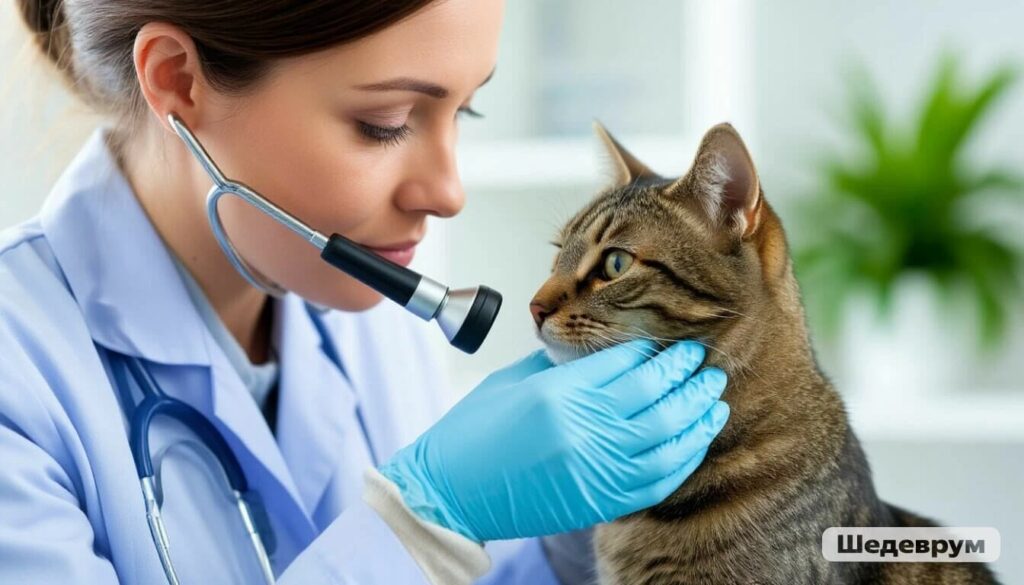
Based on skin or blood test results, a custom serum is created to desensitize your cat to specific allergens over time. Immunotherapy is the only treatment that addresses the underlying cause, not just symptoms . Success rates are 60-80%.
4. Topical Treatments
- Medicated shampoos (chlorhexidine, antifungal) for secondary infections
- Conditioning rinses to soothe skin
- Topical sprays with hydrocortisone or antihistamines
Managing Flea Allergy Dermatitis
Flea allergy dermatitis (FAD) is the most common skin disease in cats. Even a single flea bite can trigger intense itching.
Prevention and Treatment
- Year-round flea prevention: Topical or oral preventives (prescription products are most effective)
- Environmental control: Vacuum frequently, wash bedding, treat the yard
- Treat all pets in the household to break the flea life cycle
- See our Pet Parasite Prevention 2026 guide for detailed recommendations
Breeds Prone to Allergies
Certain breeds are genetically predisposed to developing allergies, including:
- Siamese, Abyssinian, Devon Rex, and other Oriental breeds
- Domestic shorthairs can also be affected
If you own a predisposed breed, be extra vigilant for signs of allergies.
The Role of Nutrition in Allergy Management
Skin and Coat Support
- Omega-3 fatty acids (fish oil) reduce inflammation and support skin barrier
- Probiotics may help modulate immune response
- Antioxidants (vitamins C, E) support overall health
See our Best Probiotics for Dogs 2026 guide (probiotics are also beneficial for cats).
Hypoallergenic Diets
For cats with food allergies or severe environmental allergies, a hydrolyzed or novel protein diet may be recommended even if the allergy isn’t food-related, as these diets can reduce overall inflammatory load.
Frequently Asked Questions
Can cat allergies be cured?
There’s no cure for allergies, but they can be effectively managed with a combination of avoidance, medications, and immunotherapy. Many cats live comfortable lives with proper treatment.
How long does it take to see improvement on a new diet?
For food allergies, improvement typically takes 4-6 weeks. For environmental allergies treated with immunotherapy, improvement may take 6-12 months.
My cat is scratching, but I don’t see fleas. Could it still be flea allergy?
Yes! Cats with flea allergy dermatitis can react to a single flea bite. You may never see fleas, but the reaction can be intense.
What’s the best food for a cat with allergies?
If food allergy is confirmed, the best diet is one that avoids the triggering protein. If no food allergy is diagnosed, a high-quality diet with omega-3s may help support skin health.
Are antihistamines effective for cat allergies?
They help some cats. Your vet can help you choose the right antihistamine and dosage.
Can stress make allergies worse?
Yes. Stress can worsen inflammatory responses. Maintaining a consistent routine, providing environmental enrichment, and reducing anxiety can help.
Conclusion
Cat allergies 2026 can be challenging, but with proper diagnosis and a multi-pronged management approach, most cats can live comfortably. Work closely with your veterinarian to identify the triggers, choose appropriate treatments, and monitor your cat’s response. This cat allergies 2026 guide provides the foundation you need to understand and manage your cat’s allergies. We hope this cat allergies 2026 guide helps you and your feline friend find relief.
For more information on related topics, check out our other guides: