Intro
Choosing the best pet food type in 2026 can be overwhelming with so many options: dry kibble, wet cans, fresh refrigerated meals, and raw diets. Whether you have a dog or a cat, choosing the best pet food type in 2026 can feel overwhelming. Each type has unique benefits and drawbacks for your dog or cat. This pet food types comparison guide will break down the pros, cons, costs, and nutritional considerations of each, helping you decide what’s right for your pet’s health, lifestyle, and budget.
Why Pet Food Type Matters
The form of food affects hydration, dental health, digestibility, and nutrient absorption. Your choice also impacts your budget, convenience, and your pet’s preferences. Understanding the differences is key to choosing the best pet food type in 2026 for your individual animal.
Veterinarians at AVMA stress that there is no one‑size‑fits‑all; the best diet depends on your pet’s age, health, and lifestyle. That’s why choosing the best pet food type in 2026 requires a balanced view of pros, cons, and your pet’s specific needs.
1. Dry Food (Kibble)
Pros
- Convenient: Easy to store, measure, and leave out for free‑feeding.
- Cost‑effective: Generally cheaper per calorie than other types.
- Dental benefits: Crunchy texture may help reduce plaque (though not a substitute for brushing).
- Long shelf life: No refrigeration needed.
Cons
- Low moisture: Typically 6–10% water; can contribute to chronic dehydration, especially in cats.
- Higher carbohydrates: Often contains grains or starches to bind kibble.
- Palatability: Some pets find it less appealing than wet or fresh food.
Best For
- Budget‑conscious owners, busy households, pets who graze.
See our How to Choose the Best Pet Food 2026 guide for label‑reading tips.
2. Wet Food (Canned/Pouch)
Pros
- High moisture (75–85%): Excellent for hydration, especially for cats prone to urinary issues.
- High protein, low carb: Typically closer to natural prey composition.
- Palatable: Most pets love the taste and aroma.
- Good for seniors: Easier to chew for dogs with dental problems.
Cons
- More expensive: Higher cost per calorie than dry food.
- Short shelf life after opening: Must be refrigerated and used within 2–3 days.
- Can contribute to dental issues if fed exclusively (soft texture doesn’t clean teeth).
- Heavy to store and transport.
Best For
- Cats, small dogs, seniors, pets with urinary or kidney issues.
See our Feline Urinary Tract Health 2026 guide for hydration tips.
3. Fresh Food (Refrigerated, Human‑Grade)
Pros
- Minimally processed: Ingredients are often whole and recognizable.
- High moisture and digestibility: Gentle on sensitive stomachs.
- Customizable: Many brands offer recipes for specific health needs.
- No artificial preservatives.
Cons
- Expensive: One of the priciest options.
- Requires refrigeration: Needs fridge and freezer space.
- Shorter shelf life: Must be used within days or weeks.
- Not widely available in all stores.
Best For
- Owners willing to pay for premium nutrition, pets with allergies or sensitivities.
See our Best Dog Food for Allergies 2026 guide for fresh options.
4. Raw Food (Freeze‑Dried, Frozen, or Fresh)
Pros
- Biologically appropriate: Mimics ancestral diet of raw meat, bones, and organs.
- High digestibility: Some owners report improved coat, skin, and energy.
- No carbohydrates (if properly formulated).
Cons
- Risk of bacterial contamination (Salmonella, E. coli) for pets and humans.
- Nutritional imbalance if not carefully formulated.
- Requires strict hygiene (hand washing, disinfecting surfaces).
- Controversial: Many veterinarians advise against raw due to health risks.
Best For
- Experienced owners who understand handling risks; not recommended for immunocompromised households.
Veterinarians at AVMA caution against raw diets unless carefully managed with veterinary guidance.
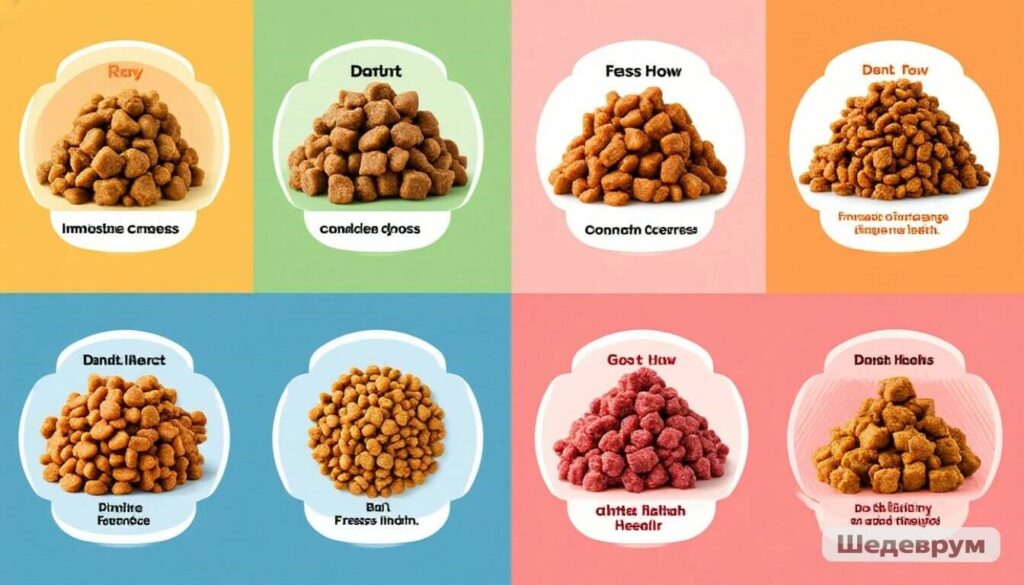
Choosing the Best Pet Food Type 2026: Decision Factors
1. Hydration Needs
- Cats: Low thirst drive; wet or fresh food strongly recommended to prevent urinary disease.
- Dogs: Can thrive on dry food if fresh water is always available.
2. Dental Health
- Dry food: Provides mild abrasive action but not a substitute for brushing or dental chews.
- Wet/raw: No dental benefit; may increase need for dental care.
3. Budget
- Dry: $0.50–$2 per pound.
- Wet: $2–$5 per pound.
- Fresh: $5–$15 per pound.
- Raw: $4–$12 per pound.
4. Convenience & Storage
- Dry: Easiest to store and use.
- Wet: Refrigeration needed after opening.
- Fresh/raw: Require freezer/fridge space and planning.
5. Pet’s Health Conditions
- Kidney disease: High‑moisture (wet/fresh) recommended.
- Allergies: Limited‑ingredient or hydrolyzed diets in any form.
- Obesity: Portion control is possible with any type; wet/fresh may be more satiating.
Can You Mix Different Types?
Absolutely. Many owners feed dry food for grazing and wet/fresh as a meal topper. Mixing can increase hydration and palatability while keeping costs manageable. Just adjust portions to avoid overfeeding.
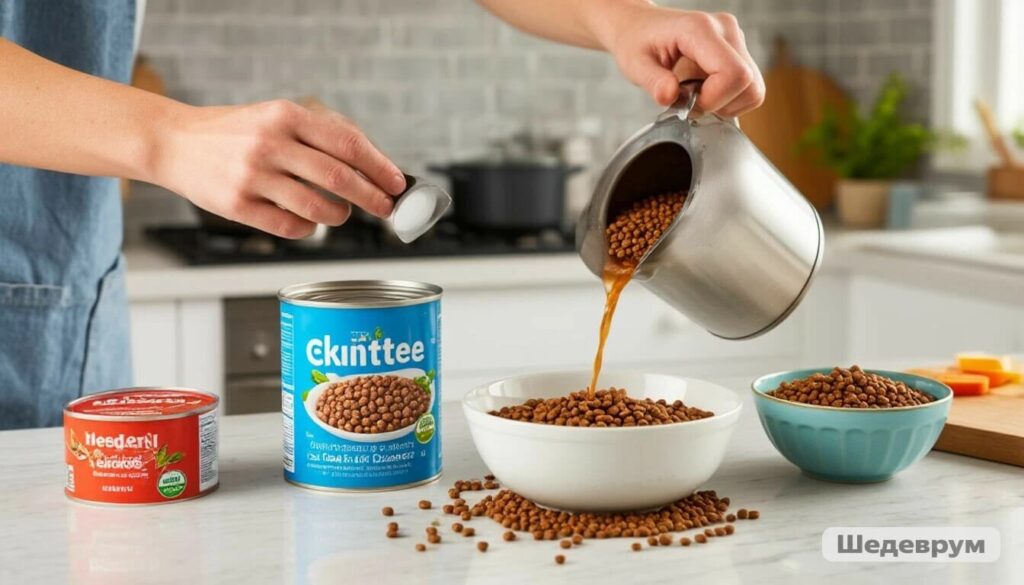
How to Transition Between Types
- Gradual change over 7–10 days: Start with 25% new, 75% old; slowly increase.
- Monitor stool consistency: Loose stools may indicate too fast a transition.
- Consult your vet before making major changes, especially for pets with health issues.
Frequently Asked Questions
Is dry food bad for cats?
Not necessarily, but cats have low thirst drive, so dry‑only diets can contribute to dehydration and urinary crystals. Adding wet food or water to kibble helps.
Is raw food safer than cooked?
No. Raw meat carries bacterial risks for both pets and humans. If you choose raw, follow strict hygiene protocols and consider commercial freeze‑dried raw (which kills some pathogens).
What’s the most affordable high‑quality option?
Quality dry kibble from reputable brands (e.g., Purina Pro Plan, Hill’s Science Diet) offers good nutrition at a lower cost.
My pet refuses wet food but needs hydration. What can I do?
Add warm water or low‑sodium broth to dry kibble, or try a pet water fountain to encourage drinking.
Can I feed my cat a vegetarian diet?
No. Cats are obligate carnivores and require animal‑based protein. Vegetarian diets can cause severe deficiencies.
Conclusion
Choosing the best pet food type in 2026 depends on your pet’s individual needs, your budget, and your lifestyle. Dry food is convenient and economical; wet food boosts hydration; fresh food offers minimal processing; raw food is controversial but appealing to some owners. Many pets thrive on a combination. This pet food types comparison guide gives you the facts to make an informed decision. We hope this guide helps you in choosing the best pet food type in 2026 for your furry friend. For more on nutrition, explore our other guides: