Intro
Pet digestive problems 2026 are among the top reasons owners visit the vet. From vomiting and diarrhea to constipation and excessive gas, gastrointestinal issues can be distressing for both pets and their families. While many cases resolve quickly, some signal serious underlying conditions. This pet digestive problems guide will help you recognize common causes, provide safe home care, and know when to seek veterinary help.
Why Digestive Health Matters
The gastrointestinal tract is central to overall health – it absorbs nutrients, houses the immune system, and eliminates waste. Chronic digestive issues can lead to malnutrition, dehydration, and weight loss. Early recognition and appropriate care improve outcomes.
Veterinarians at AVMA emphasize that persistent digestive signs warrant a veterinary examination to rule out serious diseases.
Common Signs of Digestive Problems
| Sign | Possible Causes |
|---|---|
| Vomiting | Dietary indiscretion, toxins, pancreatitis, kidney disease, parasites |
| Diarrhea | Infections, stress, food intolerance, parasites, inflammatory bowel disease |
| Constipation | Dehydration, hairballs (cats), low fiber, obstructions |
| Excessive gas | Dietary changes, swallowing air, maldigestion |
| Loss of appetite | Nausea, pain, systemic illness |
| Weight loss | Chronic malabsorption, hyperthyroidism (cats), cancer |
Common Causes of Digestive Upsets
Dietary Causes
- Sudden food changes – transition over 7‑10 days
- Table scraps – fatty, spicy, or toxic foods (grapes, onions, xylitol)
- Foreign objects – toys, bones, fabric
- Spoiled food – check expiration dates
Medical Causes
- Parasites – roundworms, hookworms, Giardia, coccidia
- Infections – bacterial (Salmonella, E. coli), viral (parvovirus in dogs)
- Pancreatitis – common after fatty meals
- Inflammatory bowel disease (IBD)
- Organ disease – kidney, liver, thyroid
- Cancer
See our Pet Parasite Prevention 2026 guide for deworming schedules.
First Aid at Home for Mild Digestive Upsets
For Vomiting or Diarrhea (No blood, no lethargy)
- Withhold food for 12‑24 hours (adults only; not for very young or senior pets).
- Provide fresh water – offer small amounts frequently.
- Introduce a bland diet – boiled chicken (no skin/bones) + white rice (50/50).
- Feed small portions every 3‑4 hours.
- Gradually transition back to regular food over 2‑3 days.
For Constipation
- Increase water intake (water fountain, wet food).
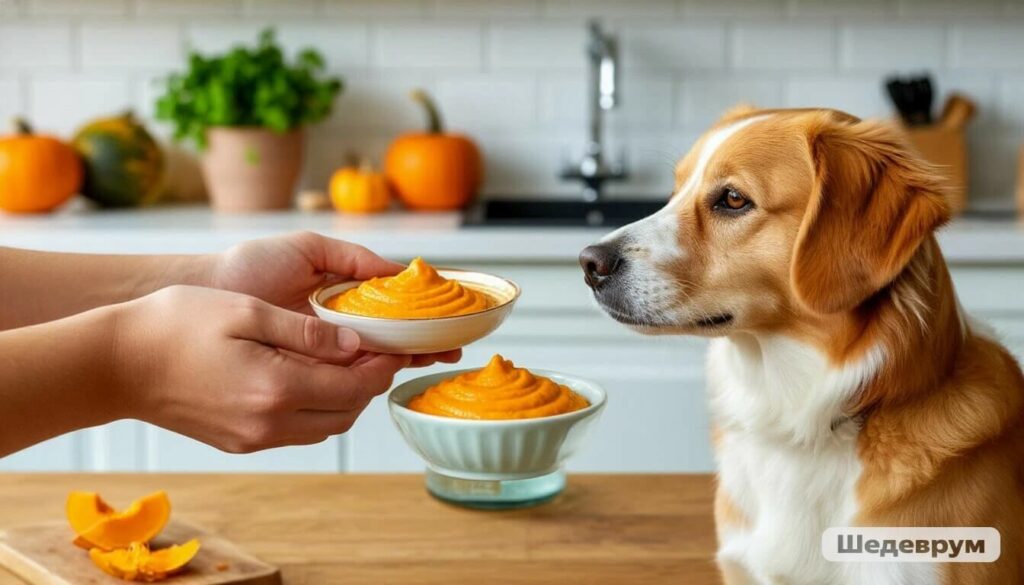
- Add fiber (plain canned pumpkin, 1‑2 tsp for cats, 1‑2 tbsp for dogs).
- Gentle exercise.
- Do not give human laxatives (toxic).
For Gas
- Slow down eating (puzzle bowl).
- Avoid gas‑producing foods (beans, dairy).
- Probiotics may help.

When to See a Veterinarian Immediately
🚨 Emergency signs:
- Blood in vomit or stool (red or black/tarry)
- Suspected toxin ingestion (chocolate, xylitol, grapes, rat poison)
- Persistent vomiting or diarrhea >24 hours
- Lethargy, weakness, collapse
- Bloated, painful abdomen (possible GDV in dogs)
- Inability to urinate or defecate
- Fever
Preventing Digestive Problems
| Prevention Tip | Why It Helps |
|---|---|
| Slow food transitions | Allows gut bacteria to adapt |
| Avoid table scraps | Prevents pancreatitis and toxicity |
| Regular deworming | Controls intestinal parasites |
| Probiotics | Supports healthy gut flora |
| Hydration | Prevents constipation and kidney issues |
| Dental care | Oral bacteria can cause GI inflammation |
See our Best Probiotics for Dogs 2026 guide for supplement recommendations.
Breed Predispositions
- German Shepherds – exocrine pancreatic insufficiency, perianal fistulas
- Boxers – histiocytic ulcerative colitis
- Great Danes – bloat (GDV)
- Siamese cats – congenital megaesophagus
When to Consider Prescription Diets
- Chronic diarrhea or vomiting
- Inflammatory bowel disease
- Food allergies
- Pancreatitis
- Kidney or liver disease
See our Best Dog Food for Sensitive Stomach 2026 guide for therapeutic diet options.
Frequently Asked Questions
Can I give my dog Pepto‑Bismol?
Only under veterinary guidance. It can cause toxicity in some cases.
My cat vomits hairballs frequently – is that normal?
Occasional hairballs are normal; frequent (>1‑2/month) may indicate a digestive motility issue.
What’s the best bland diet?
Boiled boneless chicken breast + white rice. Avoid seasonings.
How long does it take for a bland diet to work?
Most pets show improvement within 24‑48 hours. If not, see a vet.
Can stress cause digestive upset?
Absolutely. Stress colitis is common in dogs and cats.
Conclusion
Pet digestive problems 2026 are common but often manageable with prompt home care and veterinary guidance when needed. By understanding causes, offering a bland diet, and knowing emergency signs, you can help your dog or cat recover quickly. This pet digestive problems guide gives you the tools to handle mild upsets and recognize when to seek professional help. For more on gut health, explore our related guides: