Intro
Can cats eat pumpkin? This is a common question for cat owners. Pumpkin is a fall favorite and a healthy food for humans, but is it safe for your feline friend? Pumpkin is a fall favorite and a healthy food for humans, but is it safe for your feline friend? Many cat owners wonder if they can share this seasonal treat. The good news is that plain, cooked pumpkin can be beneficial for cats in small amounts, but there are important rules to follow.
Is Pumpkin Safe for Cats?
Yes, plain, cooked pumpkin (without any spices, sugar, or additives) is generally safe for most cats. In fact, many veterinarians recommend it as a occasional source of fiber. However, it should never replace a balanced cat food diet.
Health Benefits of Pumpkin for Cats
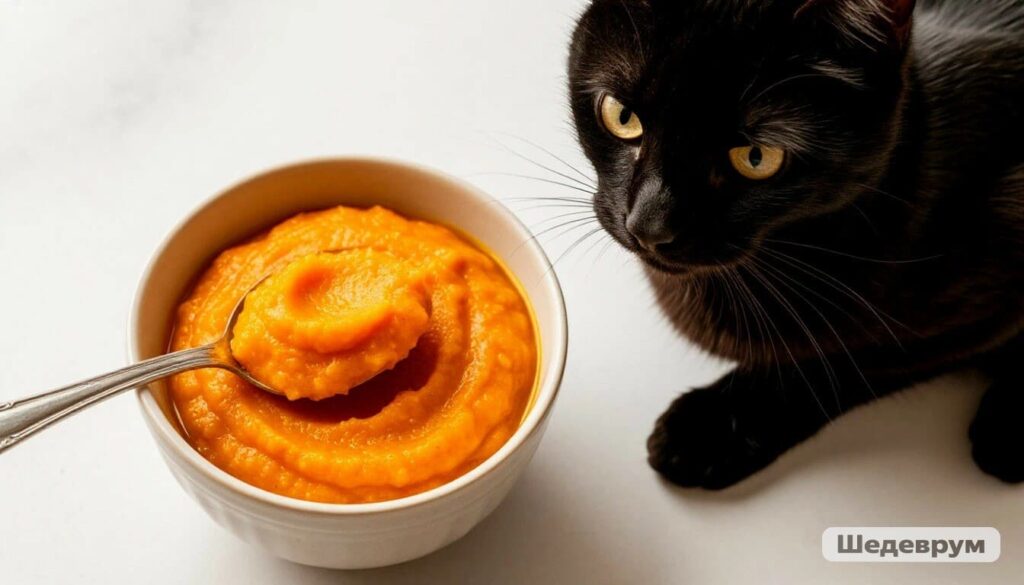
Pumpkin offers several potential benefits for feline health:
- Aids Digestion: The high fiber content in pumpkin can help regulate digestion. It may relieve both mild constipation and diarrhea by absorbing excess water or adding bulk to stool.
- Source of Nutrients: Pumpkin contains vitamins like A, C, and E, as well as potassium and iron, which support overall health.
- Low in Calories: Plain pumpkin is low in fat and calories, making it a suitable treat for weight-conscious cats.
- Hydration: Canned pumpkin (which is mostly cooked and pureed) has a high water content, which can contribute to your cat’s hydration. So, if you’re wondering, can cats eat pumpkin for digestive health? The answer is yes, in moderation. According to the American Veterinary Medical Association, fiber is important for digestive health in pets.
Potential Risks and Precautions
While safe in moderation, there are key cautions:
- Raw Pumpkin is a No-Go: Raw pumpkin is difficult for cats to digest and can cause stomach upset. Always serve it cooked and pureed.
- No Spices or Pie Filling: Never feed your cat pumpkin pie filling, which contains sugar, nutmeg, and other spices that are toxic to cats. Stick to 100% pure pumpkin.
- Digestive Issues: Introducing too much pumpkin too quickly can cause gas, bloating, or diarrhea. Start with a tiny amount.
- Underlying Health Conditions: If your cat has diabetes or chronic digestive issues, consult your vet before adding pumpkin to their diet.
How to Feed Pumpkin to Your Cat Safely
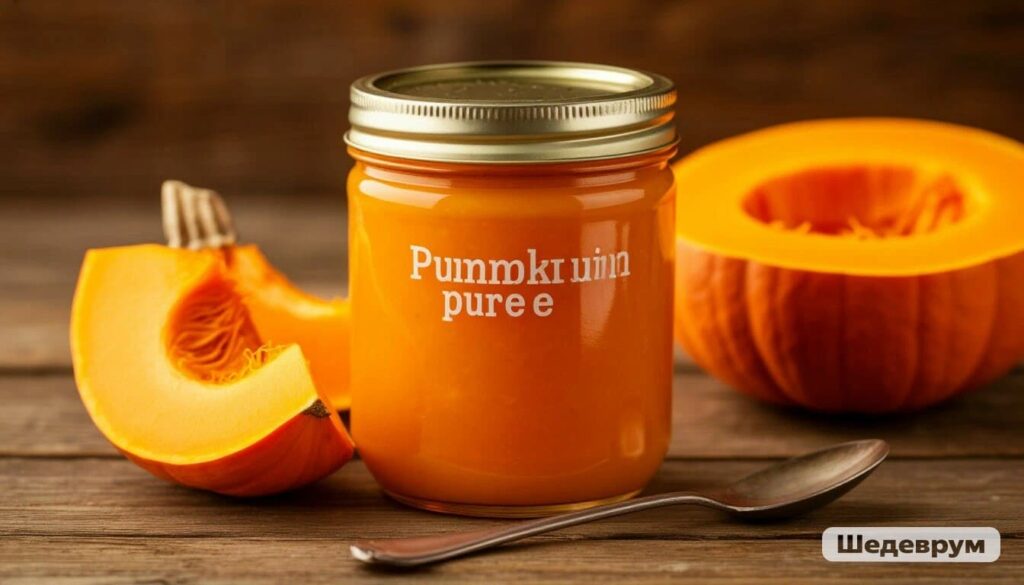
Follow these simple steps to prepare pumpkin for your cat:
- Choose the Right Product: Buy plain, canned 100% pure pumpkin puree (not pie filling). Alternatively, you can bake or boil fresh pumpkin and puree the flesh.
- Start with a Tiny Amount: For the first time, offer just 1/4 teaspoon mixed into your cat’s regular wet food.
- Observe Your Cat: Watch for any changes in appetite, energy, or litter box habits over the next 24 hours.
- Serve in Moderation: If well-tolerated, you can occasionally offer up to 1 teaspoon for an average-sized cat, 1-2 times per week. It should be a treat, not a meal.
To safely answer the question can cats eat pumpkin, always use plain, cooked pumpkin and start with a tiny amount.
How Often Can Cats Eat Pumpkin?
Pumpkin should be an occasional dietary supplement, not a daily food. For most cats, a small amount (1/2 to 1 teaspoon) once or twice a week is sufficient. If you are using pumpkin to address a specific issue like hairballs or mild constipation, follow your veterinarian’s dosage advice. For more tips on managing your cat’s diet, check out our guide on why your cat might not be eating.
Frequently Asked Questions
Can kittens eat pumpkin?
Yes, kittens can have a tiny amount of plain cooked pumpkin, but always consult your vet first. Their digestive systems are sensitive.
Is canned pumpkin safe for cats?
Only if it’s 100% pure pumpkin puree, with no added spices, sugar, or xylitol. Never use pumpkin pie filling.
Can pumpkin help with cat constipation?
Yes, the fiber in pumpkin can help relieve mild constipation. Start with ½ teaspoon mixed into wet food. If symptoms persist, see your vet.
Can cats eat other fruits like bananas? Find out in our guide.
Conclusion
Plain, cooked pumpkin can be a safe and helpful occasional treat for many cats, primarily aiding in digestion. The key is to serve it in moderation, ensure it’s pure and unseasoned, and always monitor your cat’s reaction. When in doubt, your veterinarian is the best source of advice for your pet’s specific dietary needs.I n summary, can cats eat pumpkin? Yes, but only as an occasional treat and prepared correctly.