Intro Why Is My Cat Not Eating? Common Questions Answered
Why is my cat not eating? This is a common and concerning question for cat owners. A loss of appetite in cats, known as anorexia, is always a cause for concern. Cats have unique metabolisms, and refusing food for more than 24-48 hours can lead to serious health issues like hepatic lipidosis (fatty liver disease). This guide will help you understand the common reasons why your cat might not be eating and what steps you should take. If you’re wondering why is my cat not eating, you’re not alone. Many cat owners face this issue.
Stress and Environmental Changes (The Most Common Cause)
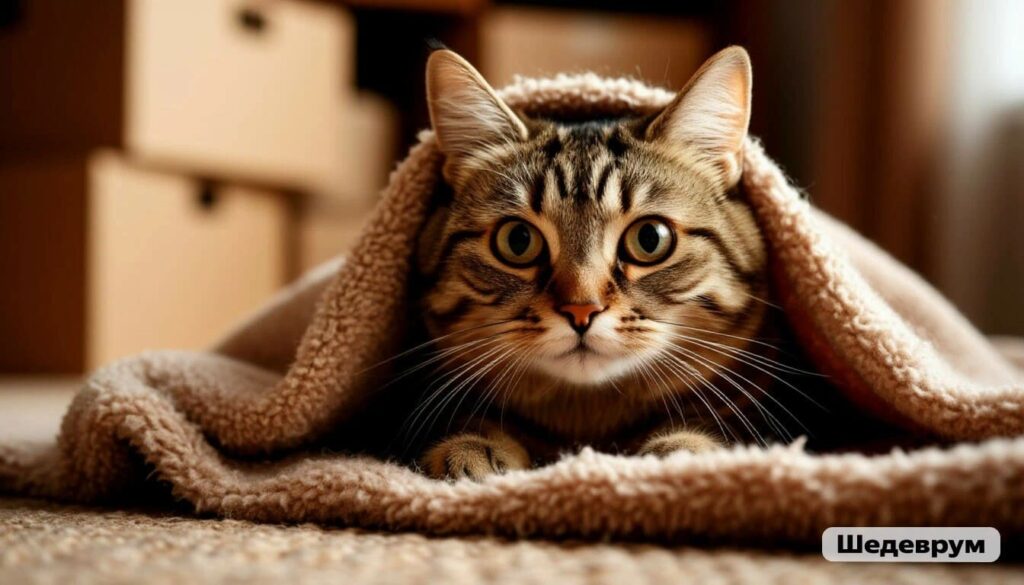
Cats are creatures of habit, and even small changes can cause stress that leads to appetite loss.
- Common Stressors: Moving to a new home, the arrival of a new pet or baby, loud noises (construction, parties), changes in daily routine, or even a dirty litter box placed near their food.
- Solution: Try to identify and minimize the stressor. Provide a quiet, safe space for your cat with their bed, toys, and food/water. Use calming pheromone diffusers (like Feliway) and give them extra attention and patience. One common reason why is my cat not eating is stress from changes in the home.
Health Issues That Affect Appetite
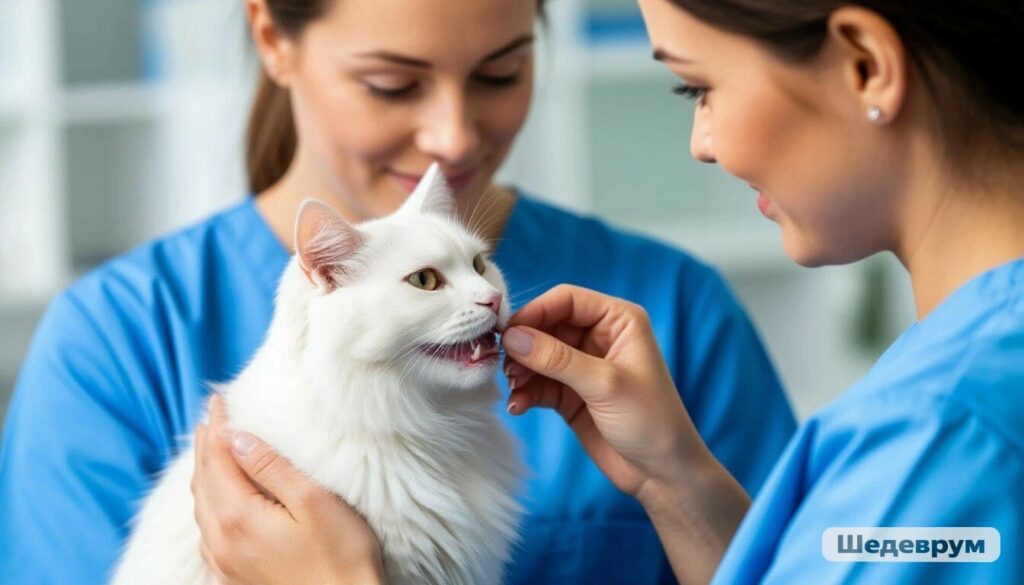
A sudden or prolonged refusal to eat often signals an underlying medical problem. Here are key areas to consider:
- Dental Problems: Painful teeth (gingivitis, abscesses, or a broken tooth) make chewing difficult. Look for signs like drooling, pawing at the mouth, or bad breath.
- Digestive Issues: Nausea, inflammatory bowel disease (IBD), or intestinal parasites can make your cat feel too unwell to eat.
- Other Illnesses: Kidney disease, diabetes, infections, or cancer can all cause appetite loss. Other symptoms often accompany this, such as increased thirst, lethargy, vomiting, or weight loss. Serious medical conditions can explain why is my cat not eating, especially if it lasts more than 24 hours.
Food-Related Reasons
Sometimes the issue is with the food itself or how it’s served.
- Picky Eater: Your cat may simply dislike a new brand or flavor you’ve introduced.
- Spoiled Food: Check the expiration date. Dry food can become stale, and wet food can spoil quickly, especially in warm weather.
- Food Bowl Issues: Some cats dislike deep, narrow bowls that touch their whiskers (“whisker fatigue”). Try switching to a wide, shallow dish.
When to See a Veterinarian (Urgent!)
Contact your vet immediately if your cat’s lack of appetite is accompanied by any of the following:
- Has not eaten anything for more than 24 hours.
- Shows other symptoms: vomiting, diarrhea, lethargy, hiding, difficulty breathing, or visible pain.
- Is a kitten, senior cat, or has a known pre-existing condition.
Even if no other symptoms are present, schedule a vet visit if the appetite doesn’t return within 48 hours. The vet will perform a physical exam and may recommend tests (blood work, x-rays) to diagnose the root cause. According to the American Veterinary Medical Association, any cat not eating for more than 24 hours should see a vet.
How to Encourage Your Cat to Eat at Home
- Warm the Food: Gently warming wet food to room or body temperature enhances its smell, making it more appealing.
- Try Different Textures & Flavors: Offer a variety—pate, chunks in gravy, or a different protein source (chicken, fish, duck).
- Hand-Feed or Use Finger Food: Sometimes offering a small amount from your finger can jump-start their interest.
- Add a Food Topper: Sprinkle a small amount of a tasty, safe supplement like digestive aids like plain canned pumpkin or a bit of low-sodium chicken broth (make sure it’s onion- and garlic-free) over their regular food.
- Ensure a Calm Environment: Feed your cat in a quiet, low-traffic area away from other pets.
Conclusion
A cat not eating is a symptom, not a diagnosis. While stress is a common culprit, it’s crucial to rule out serious medical issues. Always err on the side of caution and consult your veterinarian to ensure your feline friend gets the proper care and returns to their healthy, hungry self. Understanding why is my cat not eating is the first step to helping your pet recover.
Note: This article is for informational purposes. It is not a substitute for professional veterinary advice.
*Disclosure: This article may contain affiliate links that help support the site at no extra cost to you.