Intro
Finding the best dog food for senior dogs is one of the most important decisions you can make for your aging pet. As your loyal companion enters their golden years, their nutritional needs change. Choosing the right food is one of the most important ways to support their health, mobility, and vitality. This complete guide will help you understand the unique needs of senior dogs and how to select the best food to help them thrive in their later life.
Understanding the Nutritional Needs of Senior Dogs
Senior dogs (generally dogs over 7 years old, varies by breed) experience several age-related changes:
- Slower Metabolism: Less active lifestyle leads to lower calorie needs and a higher risk of weight gain.
- Joint & Mobility Issues: Arthritis and stiffness are common, requiring support for joint health.
- Declining Organ Function: Kidney and liver efficiency may decrease, needing highly digestible, high-quality protein.
- Dental Health: Worn or missing teeth can make chewing difficult.
- Cognitive Health: Support for brain function becomes important.
Key Ingredients in the Best Dog Food for Senior Dogs
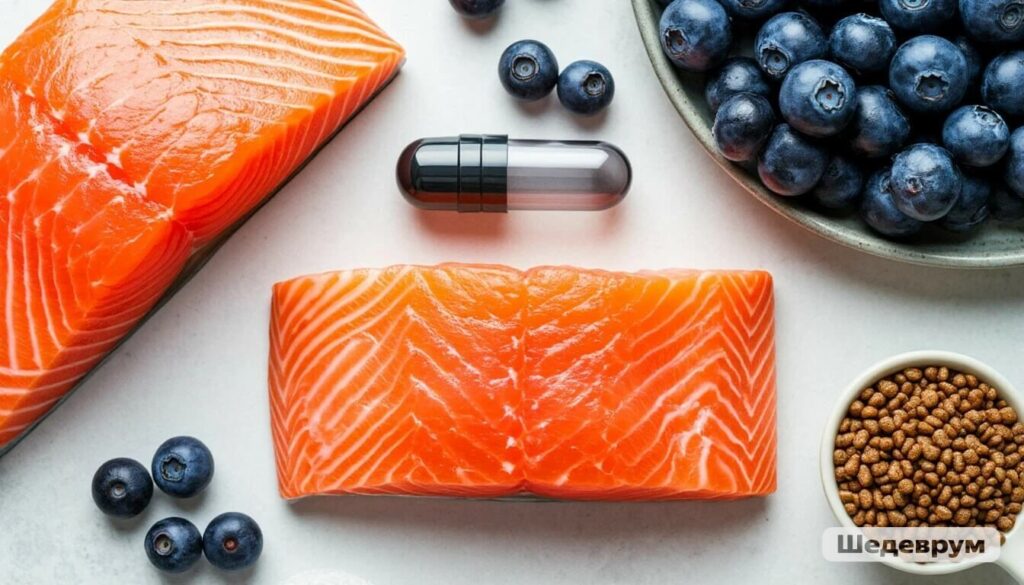
Prioritize formulas with these beneficial components:
- High-Quality, Lean Protein: Easily digestible sources like chicken, fish, or lamb to maintain muscle mass without overloading kidneys. Look for named meals (e.g., “chicken meal”) as a protein-dense ingredient.
- Joint Support Supplements: Glucosamine and chondroitin are essential for cartilage health and mobility. Omega-3 fatty acids (from fish oil) help reduce inflammation.
- Controlled Calories & Fat: The formula should be lower in fat and calories compared to adult maintenance food to prevent obesity, but still palatable.
- Fiber for Digestion: Moderate fiber from sources like beet pulp or pumpkin aids in healthy digestion and weight management.
- Antioxidants: Vitamins C and E, and beta-carotene support the immune system and combat cognitive decline.
This step-by-step approach ensures you select the best dog food for senior dogs tailored to your pet’s needs. According to the American Veterinary Medical Association, senior dogs have unique nutritional needs that require special attention.
Ingredients to Avoid or Limit for Seniors
Be vigilant about the label and avoid foods with:
- Excessive Calories & Fat: Can lead to unhealthy weight gain.
- Low-Quality Fillers: Excessive corn, wheat, or soy provide empty calories and can be hard to digest.
- Artificial Additives: Steer clear of artificial colors, flavors, and preservatives like BHA/BHT. Refer to our detailed guide on harmful dog food ingredients for a full list.
- Excessive Phosphorus: While needed, very high levels can strain aging kidneys. Aim for moderate, controlled amounts.
How to Choose the Best Food: A Step-by-Step Guide

- Consult Your Veterinarian: This is the most critical step. Your vet can assess your dog’s specific health (kidney, liver, teeth) and recommend a suitable diet or prescription food if needed.
- Read the Ingredient List: The first ingredient should be a high-quality, named animal protein. Look for the beneficial ingredients listed above.
- Check the Guaranteed Analysis: Compare calorie content (kcal/cup), protein, and fat levels between brands to find an appropriate “senior” formula.
- Consider Your Dog’s Specifics: Account for their size, breed, remaining activity level, and any diagnosed health conditions.
- Transition Slowly: When switching foods, mix the new food with the old over 7-10 days to avoid stomach upset.
Top Recommended Types of Senior Dog Food
Here are the top recommended types of the best dog food for senior dogs.
- High-Quality Commercial Senior Formulas: Brands like Hill’s Science Diet Senior, Royal Canin Aging, or Purina Pro Plan Bright Mind offer scientifically backed nutrition.
- Weight Management Formulas: Ideal for less active seniors prone to weight gain.
- Limited Ingredient Diets (LID): Good for seniors with food sensitivities or allergies.
- Wet or Moist Food: Excellent for dogs with dental issues or those who need more hydration. It can be mixed with kibble.
- Veterinary Prescription Diets: Necessary for dogs with specific conditions like kidney disease, heart issues, or advanced arthritis.
For healthy, low-calorie treat ideas that are safe for seniors, learn about carrots for dogs.
Conclusion
Feeding your senior dog the best possible food is an act of love that directly impacts their comfort and quality of life. By focusing on high-quality protein, joint support, controlled calories, and avoiding harmful fillers, you can address the unique challenges of aging. Always partner with your veterinarian to make the optimal choice for your individual dog, ensuring their golden years are truly happy and healthy. Ultimately, the best dog food for senior dogs is one that meets their individual health requirements with high-quality ingredients.