Intro
Dog food ingredients to avoid are a top concern for pet owners who want to keep their dogs healthy. Reading your dog’s food label can be confusing. While many ingredients are safe and nutritious, others can harm your pet’s health over time. This guide will help you become an informed pet parent by identifying common harmful or low-quality additives in dog food and explaining why you should steer clear of them.
Why Ingredient Quality Matters
Your dog’s long-term health, energy levels, skin, coat, and digestion are directly linked to what they eat. Low-quality fillers and artificial additives provide little nutritional value and can lead to allergies, obesity, and more serious conditions. Choosing food with wholesome, recognizable ingredients is one of the best investments in your pet’s well-being. According to the American Veterinary Medical Association, reading labels carefully is the first step to ensuring a balanced diet.
Top Dog Food Ingredients to Avoid
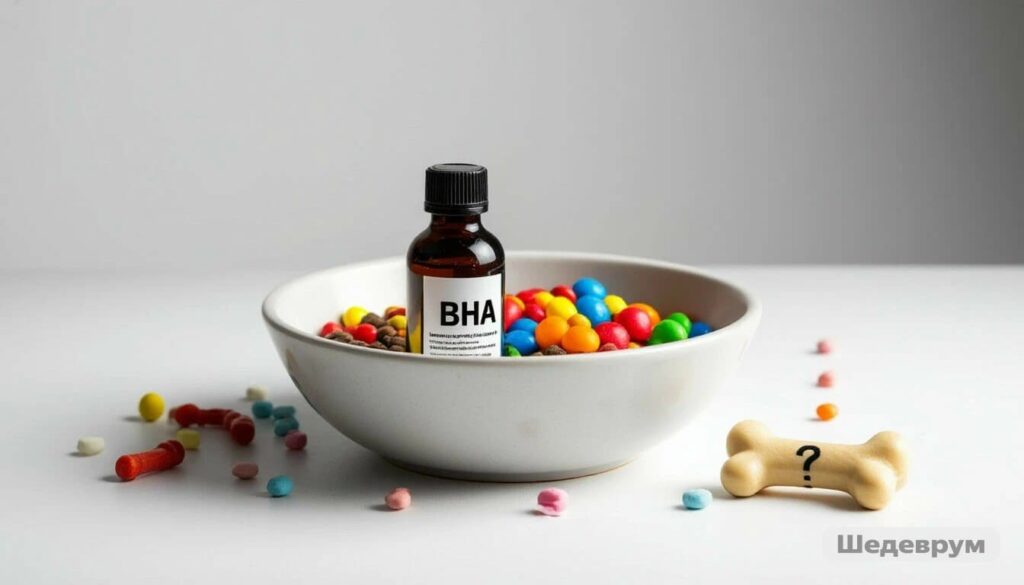
Knowing which dog food ingredients to avoid is the first step to choosing a healthier diet.
Here are some of the most concerning additives to watch out for on ingredient lists:
1. Artificial Colors (Blue 2, Red 40, Yellow 5 & 6)
- Why They’re Used: To make food look more appealing to you, not your dog. Dogs don’t care about color.
- Risks: Linked to allergic reactions, hyperactivity, and potential carcinogenic effects. They serve no nutritional purpose.
- Look For: “No artificial colors” or the absence of color names in the list.
2. Artificial Preservatives (BHA, BHT, Ethoxyquin)
- Why They’re Used: To extend shelf life artificially and prevent fats from spoiling.
- Risks: These chemical preservatives are suspected carcinogens and have been linked to liver and kidney damage.
- Safer Alternatives: Look for foods preserved with natural substances like mixed tocopherols (Vitamin E), Vitamin C (ascorbic acid), or rosemary extract.
3. Meat and Grain “By-Products” & Unspecified Meat Meals
- Why They’re Used: Cheap sources of protein. “By-products” can include organs, beaks, and feet, which aren’t necessarily bad but are inconsistent in quality.
- Risks: Low nutritional value, unknown origin, and potential for containing indigestible parts. Avoid vague terms like “meat meal” or “animal fat.” Look for named sources like “chicken meal,” “lamb meal,” or “salmon oil.”
- What to Look For: Clearly identified protein sources as the first ingredient (e.g., “deboned chicken,” “salmon”).
4. Propylene Glycol
- Why It’s Used: A moisturizing agent used in some “soft-moist” foods to retain texture.
- Risks: It is a less toxic cousin to automotive antifreeze (ethylene glycol) but can still be problematic. It’s prohibited in cat food but allowed in dog food. Safer to avoid.
- Look For: Stick to dry kibble or wet food without this additive.
5. Added Sugar and Sweeteners (Corn Syrup, Sucrose)
- Why They’re Used: To make low-quality, unpalatable food taste better and to create addiction, encouraging overeating.
- Risks: Contributes directly to obesity, diabetes, and dental problems. It’s empty calories with zero nutritional benefit.
- Look For: Sugar should never be listed. Be wary of foods marketed as “for energy”—dogs get energy from quality proteins and fats. For a healthy homemade alternative, learn how to prepare plain rice and chicken for dogs.
6. White Flour and Corn/Wheat Gluten as Main Fillers
- Why They’re Used: Cheap fillers to bulk up food and reduce protein costs.
- Risks: Highly processed, high-glycemic ingredients that can spike blood sugar, cause weight gain, and trigger allergies in some dogs. They offer minimal nutritional value.
- What’s Better: Look for whole grains (like brown rice, oats) or healthy carbohydrates (sweet potatoes, peas) if your dog tolerates them. Grain-free is not automatically better—focus on quality ingredients.
How to Choose a Better Dog Food
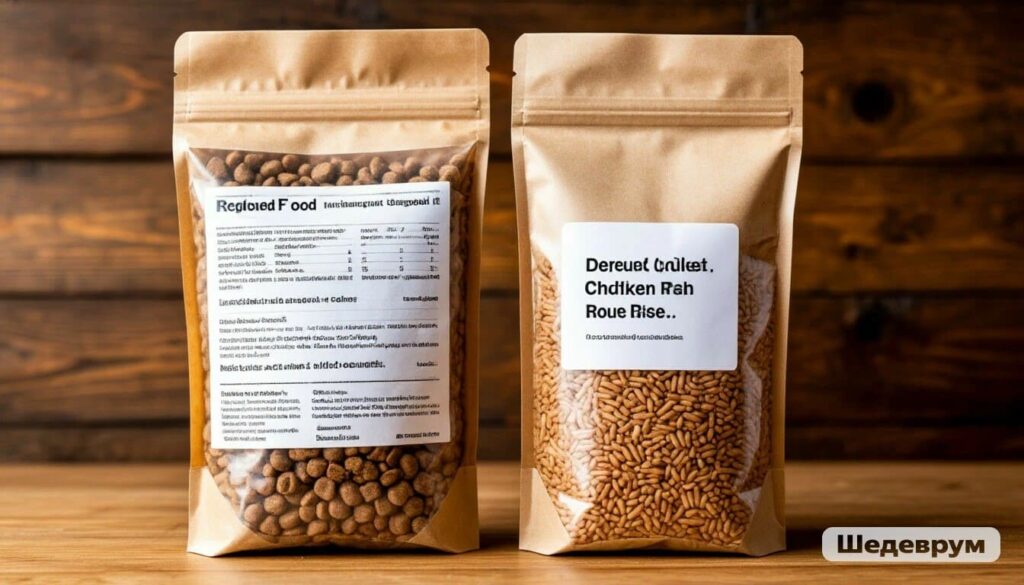
- Read the Ingredient List: The first 5 ingredients make up the bulk of the food. They should be high-quality, recognizable items. When you read the label, always keep a mental list of dog food ingredients to avoid, like artificial colors and BHA.
- Prioritize Named Protein Sources: “Chicken,” “beef,” “salmon” are better than “meat.” “Chicken meal” is a good, concentrated protein.
- Beware of Ingredient Splitting: Manufacturers may split less desirable ingredients (like corn into “corn flour,” “corn gluten,” “corn bran”) to push them down the list, making the food appear higher in protein.
- Consult Your Veterinarian: They can recommend a diet tailored to your dog’s specific age, breed, size, and health needs.
- Research the Brand: Look for companies with a history of quality control, transparency, and veterinary nutritionists on staff.
Conclusion
Being a vigilant pet parent starts with understanding what’s in your dog’s bowl. By learning to spot and avoid these harmful or low-quality additives, you can make a significant positive impact on your dog’s health, vitality, and longevity. Remember, when in doubt, choose a food with simple, whole-food ingredients and always discuss dietary changes with your vet. For healthy treat ideas, you can check our guide on safe fruits for dogs, like apples. Remember, the best way to protect your pet is to educate yourself about dog food ingredients to avoid. For an example of a high-quality brand, check our guide on Best Dog Food for Senior Dogs.