Intro
Can dogs eat rice and chicken? This is a common question for pet owners dealing with a dog’s upset stomach. Chicken and rice is a time‑honoured remedy for dogs with upset stomachs. Many veterinarians recommend this bland, easily digestible meal as a short‑term solution for diarrhoea, vomiting, or post‑surgery recovery. But is it safe for everyday feeding? The short answer is yes – plain, properly prepared chicken and rice is safe and beneficial for short‑term use, but it is not a complete, balanced diet for long‑term maintenance. This guide explains exactly when and how to serve this combination, and when to stop.
Is Rice and Chicken Safe for Dogs?
Plain, unseasoned, fully cooked chicken breast and plain white rice are non‑toxic and generally safe for most dogs. This pairing is often called a bland diet because it is low in fat and fibre, easy to digest, and unlikely to further irritate an inflamed gastrointestinal tract.
However, several conditions must be met:
- No salt, spices, oils, butter, or additives.
- No bones (cooked bones splinter and are dangerous).
- No skin (too fatty).
- White rice only – brown rice is higher in fibre and may be harder to digest during acute illness.
Potential Benefits of Rice and Chicken for Dogs
| Component | Benefit |
|---|---|
| Lean chicken breast | High‑quality, easily digestible animal protein to support muscle maintenance and immune function. |
| White rice | Easily digestible carbohydrate that provides quick energy and helps bind loose stools. |
| Low fat | Gentle on the pancreas; suitable for dogs with pancreatitis (under vet guidance). |
| Bland flavour | Encourages eating in dogs who are nauseous or have lost their appetite. |
Vet’s insight: A bland diet gives the intestines a rest. It is not nutritionally complete – it lacks calcium, certain vitamins, and the correct balance of fatty acids. It should only be fed for 2–4 days unless your veterinarian prescribes otherwise. Many owners ask can dogs eat rice and chicken when their dog has diarrhea, and the answer is yes – it’s a gentle, bland diet. According to the American Veterinary Medical Association, a bland diet of chicken and rice can help dogs with mild gastrointestinal upset.
⚠️ Important Risks and Precautions

Feeding rice and chicken incorrectly, or for too long, can cause problems.
| Risk | Why It Matters |
|---|---|
| Nutritional imbalance | No calcium → can lead to calcium deficiency (nutritional secondary hyperparathyroidism), especially in growing puppies. No taurine (dogs synthesise it, but prolonged lack may affect some breeds). |
| Obesity | Rice is calorie‑dense; feeding large portions regularly leads to weight gain. |
| Bones | Never feed cooked chicken bones – they splinter and can perforate the oesophagus, stomach, or intestines. |
| Seasonings | Onion and garlic powder (common in “broth”) are toxic to dogs. Salt and spices cause electrolyte imbalances and stomach upset. |
| Fatty parts | Chicken skin, dark meat, or pan drippings can trigger pancreatitis. |
| Allergies | Chicken is one of the most common food allergens for dogs. If you suspect an allergy, choose a novel protein (duck, fish, venison) instead. |
Before feeding, remember that can dogs eat rice and chicken safely only if it’s plain, without any seasonings or bones. Always avoid seasonings like onion and garlic – see our list of harmful dog food ingredients.
How to Serve Rice and Chicken Safely (Step‑by‑Step)
Follow this exact protocol for a safe, effective bland diet:
- Choose the right ingredients:
- Chicken: Boneless, skinless chicken breast (fresh or frozen).
- Rice: Plain white rice (long‑grain, short‑grain, or instant – all fine). Do not use brown rice, wild rice, or seasoned rice mixes.
- Cook separately, without anything else:
- Boil or poach chicken in plain water until fully cooked (internal temperature 165°F / 74°C). Do not add salt, oil, or spices.
- Boil rice according to package directions, using plain water. Do not add butter, salt, or broth.
- Prepare the mixture:
- Shred or dice chicken into small, bite‑sized pieces.
- Combine 1 part chicken with 2 parts rice (by volume). This ratio minimises fat and maximises digestibility.
- Cool completely – hot food can burn your dog’s mouth.
- Portion appropriately:
- Feed small, frequent meals (e.g., a quarter of the usual food volume every 4–6 hours) rather than one large bowl.
- A typical serving for a 20‑lb (9‑kg) dog is about ½ cup of the mixture per meal.
- Observe your dog:
- Stool should start firming up within 24–48 hours.
- If vomiting persists or diarrhoea worsens, stop the diet and consult your vet immediately.
How Often Can Dogs Eat Rice and Chicken?
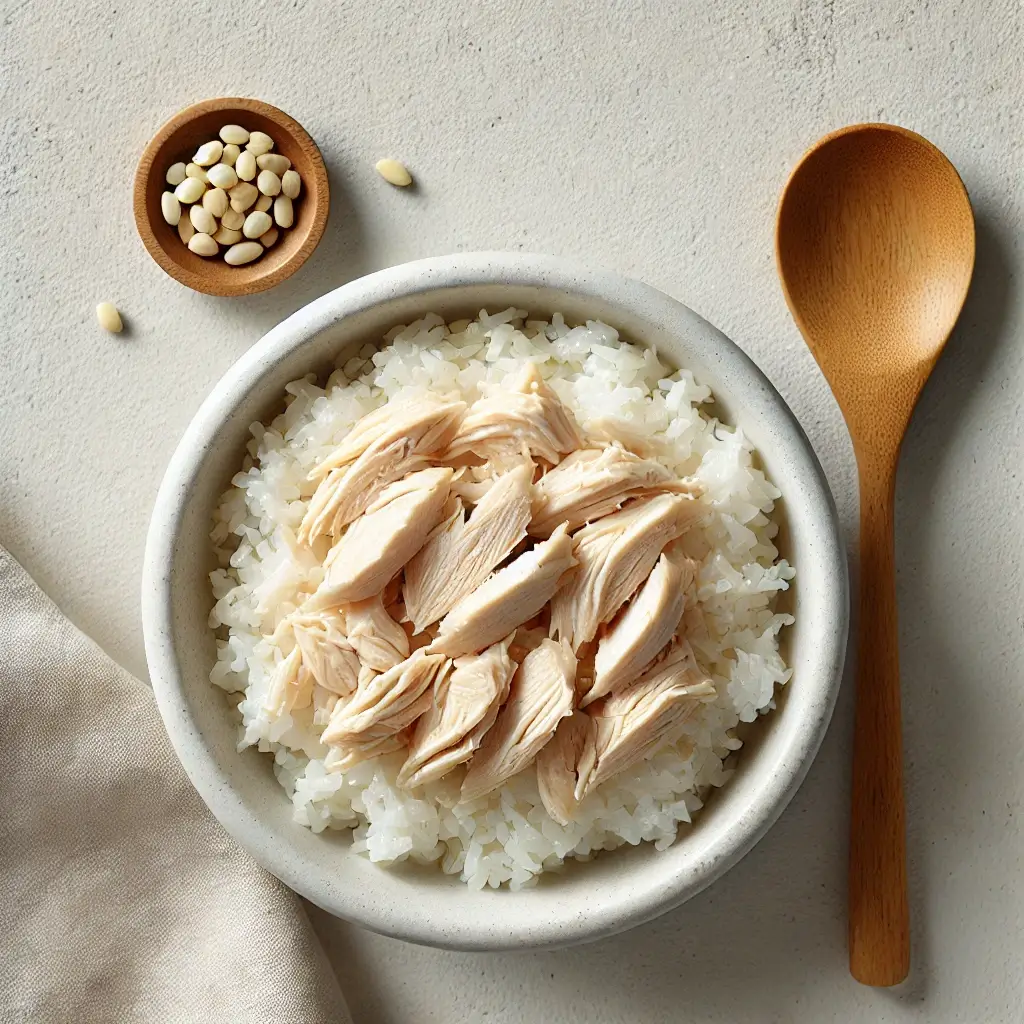
Only as a short‑term therapeutic diet. For most dogs, 2–4 days is sufficient to settle an upset stomach. Once symptoms resolve, gradually transition back to their regular complete and balanced food over 3–5 days by mixing increasing amounts of normal food with decreasing amounts of the bland diet.
Do not feed rice and chicken as a long‑term staple. It lacks essential nutrients and can cause serious deficiencies over weeks or months. Puppies, pregnant/lactating dogs, and dogs with chronic diseases should never be placed on a homemade bland diet without explicit veterinary supervision.
Can I Use This Diet for Dogs with Pancreatitis?
Yes, if your vet approves. Pancreatitis requires extremely low fat. Use only white rice and boiled, skinless chicken breast – no oils, no dark meat. Even then, some dogs require a prescription low‑fat diet instead. Always consult your veterinarian.
Conclusion
Plain, boiled chicken and white rice is a safe, effective short‑term meal for dogs recovering from gastrointestinal upset. It provides easily digestible protein and energy while giving the gut a rest. However, it is not a complete diet and should never become a permanent replacement for balanced commercial dog food. Always introduce new foods slowly, monitor your dog’s response, and consult your veterinarian if symptoms persist. For more guidance on safe, healthy treats for dogs, see our guides on Can Dogs Eat Carrots? and Can Dogs Eat Apples?. In summary, can dogs eat rice and chicken? Yes, but only as a short-term remedy and prepared correctly.