Table of Contents
Intro
A perfect day at the dog park is a joy — dogs zooming, tails wagging, happy owners chatting. But without proper dog park etiquette 2026, that ideal scenario can quickly turn stressful or even dangerous. Dog parks are wonderful spaces for exercise and socialization, but they bring together unfamiliar dogs and people under often chaotic conditions. Understanding and practicing good dog park etiquette 2026 is essential for keeping everyone safe, happy, and welcome. In this guide, we’ll cover 15 vital rules, what to bring, signs of trouble, and answers to frequently asked questions so your next trip is a success for both you and your pup.
Why Dog Park Etiquette Matters in 2026
Dog parks are designed to give dogs a safe place to exercise and interact off‑leash. However, differences in size, energy levels, and play styles can sometimes lead to misunderstandings. According to veterinary experts at the AVMA , responsible ownership includes understanding basic social rules for public spaces. Good dog park etiquette 2026 helps prevent fights, reduces the spread of illness, and ensures that both dogs and their people have a positive experience. Many parks have posted rules regarding licensing, vaccination status, and designated areas for large and small dogs [14†L16-L23]. Taking a moment to read the local guidelines before entering starts your visit on the right foot.
Before You Go: Is the Dog Park Right for Your Dog?
Not every dog is a good candidate for the dog park. Before you introduce your own pet to a high‑energy group setting, ask yourself these honest questions:
| Question | If YES, consider an alternative |
|---|---|
| Is my dog fearful or reactive around unfamiliar dogs? | Start with small, controlled playdates or training classes [14†L32-L37]. |
| Are my dog’s vaccinations fully up to date? | Wait until boosters are completed (usually after 16 weeks). |
| Is my dog in heat or recovering from an illness or injury? | Stay home — scent and vulnerability can attract unwanted attention [13†L10-L14]. |
| Does my dog reliably respond to recall (come when called)? | Practice recall in a quieter area first. |
| Is my dog under 4 months old? | Many parks do not allow young puppies; check local rules [13†L15-L18]. |
If you answered “yes” to any of the first three questions, skipping the dog park for now is the safer choice.
The 15 Essential Rules of Dog Park Etiquette 2026
1. Always Keep a Leash on Hand
Inside the fenced area, your dog may run off‑leash, but never leave the leash at home. You will need it for entering and exiting the park — a double‑gate system is designed to prevent escapes [13†L44-L46]. Having a leash within reach also lets you quickly control your dog if a conflict starts or if you need to leave in a hurry [12†L30-L36].
2. Never Bring Food or Treats
Food is a major trigger for resource guarding and fights. This includes dog treats, chew toys, and human snacks. Even empty food wrappers can attract attention. Leave all food in your car [12†L37-L44].
3. Reconsider Bringing Small Children
Toddlers and young children can be easily knocked over by excited dogs. Unfamiliar dogs may not be child‑friendly, and children may inadvertently run between playing dogs, risking bites. Most experts recommend leaving children under 10 at home or, if they must come, keeping them outside the fenced area and closely supervised [12†L44-L45].
4. Always Pick Up After Your Dog
Bring plenty of poop bags and clean up immediately. Nobody enjoys stepping in or smelling waste. Leaving waste behind is not only disrespectful but also spreads parasites and diseases [13†L47-L48].
5. Close All Gates Behind You
Most dog parks have a double‑gated entry. Open one gate, step inside, close it behind you, then open the second gate. Always check that the outer gate is secure before letting your dog off the leash. This simple habit prevents accidental escapes [13†L44-L46].
6. Keep Your Dog’s Vaccinations Current
Parvovirus, distemper, kennel cough, and rabies spread quickly in high‑traffic areas. Before your first visit, confirm with your veterinarian that your dog’s core vaccines are up to date. Carry proof if your park requires it [13†L10-L14].
7. Dress Your Dog Appropriately
Remove any loose clothing, bandanas, or expensive collars that could snag on fences or other dogs. A well‑fitted flat collar or harness with ID tags is fine, but skip anything with dangling parts, spikes, or sharp edges [13†L19-L24].
8. Don’t Bring Your Dog’s Favorite Toy
In a group of unfamiliar dogs, toys can cause jealousy and resource guarding. Leave tennis balls, squeaky toys, and tug ropes at home. If your dog loves to fetch, use a park‑provided ball (if available) or go during quiet hours when fewer dogs are present [13†L36-L38].
9. Respect Other Dogs’ Space
Not every dog wants to play. Some dogs prefer to sniff, lie in the sun, or stay close to their owner. If your dog repeatedly invades another dog’s personal space after being warned (by a growl, lip curl, or turning away), call your dog back and redirect them. Watch for signs of stress: tucked tail, whale eye, or sudden stillness. And never force a shy or fearful dog to interact [13†L25-L36].
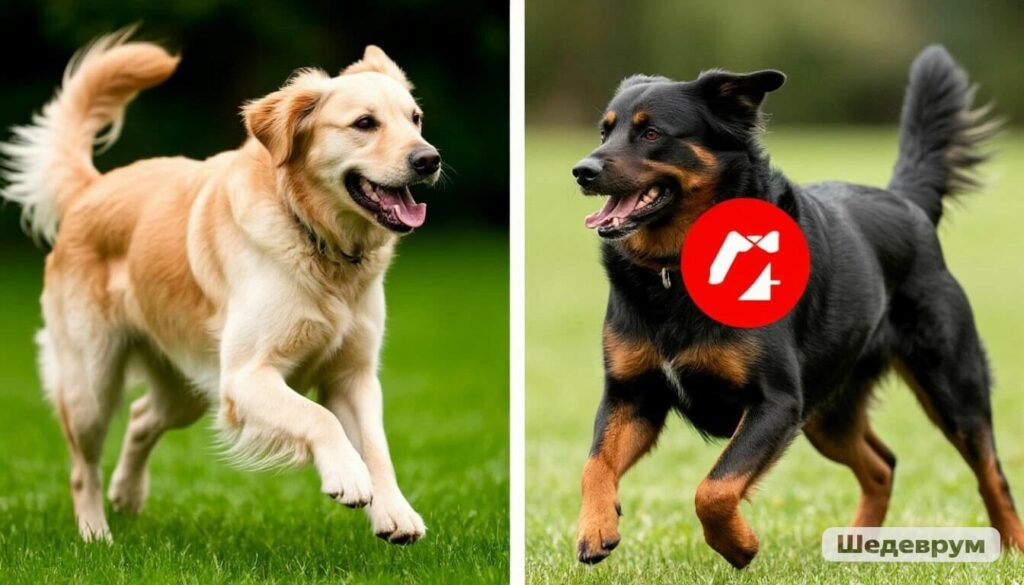
10. Monitor Play Styles Closely
Safe play involves mutual, reciprocal movements — dogs taking turns being on top, pausing, and returning to each other. Interrupt play if one dog is constantly pinned, chased without a break, or hiding under benches. Separate dogs with a calm voice or a leash drape, not by grabbing collars (which can provoke a bite).
11. Don’t Stay Too Long
For most dogs, 20–30 minutes of active play is enough. Overstaying leads to exhaustion, irritability, and increased risk of fights. Leave while your dog is still having fun, not after they snap or hide.
12. No Cell Phones While Supervising
Distracted owners cause most dog park incidents. Put your phone away and actively watch your dog’s interactions. A fight can start and end in seconds; you need to be ready to intervene immediately. Socializing is fine, but keep one eye on your dog at all times.
13. Leave Female Dogs in Heat at Home
A dog in heat emits powerful pheromones that can provoke aggression even in normally calm males. Do not bring her to the park until the full cycle (usually 2–3 weeks) is over. Most public dog parks prohibit dogs in heat by rule [13†L10-L14].
14. Prevent Bullying & Excessive Roughness
Some dogs naturally play robustly, but that doesn’t mean it’s safe. If one dog is repeatedly knocked over, pinned, or nipped hard enough to make them yelp, separate the pair. A good rule: if two dogs are playing but a third is trying to leave or is hiding between legs, the group size is too large or the play is too intense.
15. Know When to Leave Early
Even if you just arrived, leave immediately if you see any of these red flags:
- An unvaccinated or visibly ill dog (coughing, crusty eyes, diarrhea)
- A dog showing stiff body language, hard staring, or repeated growling
- An owner who is aggressive or not supervising their dog
- Any blood or injury
- Your dog suddenly stops playing and hides or tries to escape
Trust your gut. A short, safe visit is always better than a long, risky one.
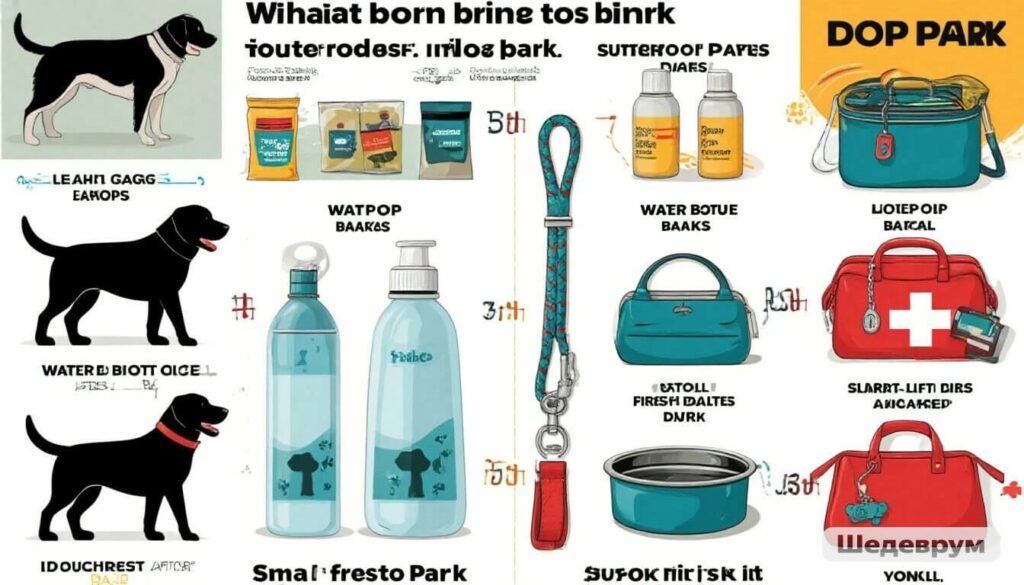
What to Bring to the Dog Park (Essentials Checklist)
- Poop bags – never enough
- Leash – for entry/exit and emergencies
- Fresh water and a collapsible bowl – shared water bowls can spread disease
- Your dog’s ID tags (updated phone number)
- A small first‑aid kit (gauze, antiseptic wipes, styptic powder for torn nails)
- A towel – for muddy paws or if water features are present
Leave everything else at home.
Dog Body Language: Know the Warning Signs
| Signal | Meaning | Action |
|---|---|---|
| Tucked tail, ears back, lip licking | Stress or fear | Remove dog from situation |
| Whale eye (showing whites of eyes) | Anxious, may bite | Create space |
| Stiff body, tail high and rigid | Arousal, potential aggression | Interrupt and move away |
| Sudden freeze / hard stare | Immediate warning | Separate dogs calmly |
| Repeated yelping while playing | Pain or over‑stimulation | Check for injury, give a break |
| Rolling onto back stiffly (not relaxed) | Submission under duress | Help the dog leave |
Healthy play involves relaxed, wiggly bodies, open mouths, and lots of pausing and role‑reversal.
Frequently Asked Questions
Is my puppy safe at a dog park?
If your puppy is fully vaccinated (usually after 16 weeks), has good recall, and is not too small for the large‑dog area, you can try short visits during off‑peak hours. However, many veterinarians recommend supervised puppy playdates or puppy‑specific classes instead of public dog parks, because a single bad experience can create lifelong fear [14†L37-L41].
What is the dog park etiquette 2026 rule for greeting other owners?
Always ask before letting your dog approach another, especially if the other dog is on a leash (they may be reactive). Keep greetings brief — three seconds or so — then call your dog away. Not every owner wants their dog to meet yours.
How many dogs can I bring?
Most parks limit to two or three dogs per adult. Realistically, you can only safely supervise one or two active dogs at a time. If you have three or more, bring another responsible adult or make multiple trips [13†L28-L29].
What if another dog attacks mine?
Stay calm. Do not grab collars. Use a leash to loop around the attacking dog’s hind legs and pull back, or use a loud noise (air horn, your voice) to startle them apart. Separate them, exchange contact information with the other owner, get veterinary attention if needed, and report the incident to animal control. After such an event, your dog may need a break from the park.
Why doesn’t my dog like the dog park?
Some perfectly normal dogs dislike the chaos of dog parks. They may prefer one‑on‑one play, long walks, or sniffing in a quiet field. That is completely fine. Forcing a reluctant dog into a park can cause anxiety and aggression [14†L32-L37].
Conclusion
Mastering dog park etiquette 2026 is one of the most important skills for any dog owner who wants to enjoy these wonderful community spaces. By following these 15 rules — from always picking up waste to knowing when to leave early — you protect your own dog, respect other owners, and help keep the park a safe, fun place for everyone. Remember, a well‑mannered dog and an attentive owner are always welcome. Now go enjoy a safe, happy off‑leash adventure with your best friend.
For more dog care and safety guides, explore related articles: