Intro
Pet dental health 2026 is one of the most overlooked aspects of pet care, yet it’s crucial for your furry friend’s overall wellbeing. Whether you have a puppy or a senior cat, understanding pet dental health 2026 is key to preventing painful diseases. According to veterinary research , over 80% of dogs and 70% of cats develop periodontal disease by age three. This condition doesn’t just cause bad breath and tooth loss—it can lead to serious health problems affecting the heart, liver, and kidneys as bacteria from the mouth enter the bloodstream .
This comprehensive guide to pet dental health 2026 covers everything you need to know about caring for your pet’s teeth. We’ll explain how to recognize dental disease, provide step-by-step instructions for at-home care, review the best products, and help you understand what professional veterinary dentistry involves. Whether you have a puppy, kitten, or senior pet, this guide will help you keep their smile healthy and bright.
Why Pet Dental Health Matters
The Mouth-Body Connection
Your pet’s mouth is a gateway to the rest of their body. When bacteria from dental disease enter the bloodstream, they can travel to major organs and cause:
- Heart disease: Bacterial endocarditis (infection of heart valves)
- Kidney disease: Inflammation and infection
- Liver problems: Reduced function
- Diabetes complications: Poor blood sugar control
Quality of Life
Dental pain is often hidden—pets instinctively hide discomfort. Signs your pet may be suffering include:
- Dropping food while eating
- Chewing on one side
- Bad breath (halitosis)
- Excessive drooling
- Pawing at the mouth
- Reluctance to eat hard food
- Weight loss
AAHA guidelines emphasize that preventing dental disease is essential for maintaining pets’ quality of life and overall health.
Financial Impact
Preventive dental care at home is far less expensive than professional dental cleanings under anesthesia, which can cost $300–$1,000+ depending on your location and your pet’s needs.
Recognizing Dental Disease in Pets
Common Signs
| Symptom | What It May Indicate |
|---|---|
| Bad breath | Bacterial buildup, infection |
| Yellow/brown tartar on teeth | Plaque mineralization |
| Red, swollen gums | Gingivitis |
| Bleeding gums | Advanced inflammation |
| Loose or missing teeth | Advanced periodontal disease |
| Difficulty eating | Pain, loose teeth |
| Pawing at mouth | Discomfort |
| Facial swelling | Tooth root abscess |
Stages of Dental Disease
- Stage 1 (Gingivitis): Plaque buildup causes red, inflamed gums. Reversible with professional cleaning and home care.
- Stage 2 (Early Periodontitis): Gums begin to detach from teeth, forming pockets. Some bone loss begins. Manageable but not reversible.
- Stage 3 (Moderate Periodontitis): Significant bone loss (25-50%). Teeth may become loose.
- Stage 4 (Advanced Periodontitis): Severe bone loss (>50%), tooth loss, infection. Requires extraction.
At-Home Dental Care: Your Daily Routine
Brushing Your Pet’s Teeth (The Gold Standard)
Daily brushing is the most effective way to prevent dental disease. Here’s how to do it:
What You’ll Need:
- Pet-specific toothbrush (finger brush or long-handled)
- Enzymatic toothpaste formulated for pets (never use human toothpaste—it contains xylitol and foaming agents that are harmful)
- Treats for positive reinforcement
Step-by-Step Introduction:
- Let your pet taste the toothpaste – Put a dab on your finger.
- Introduce the brush – Let them lick toothpaste from the brush.
- Lift the lip gently – Touch the brush to front teeth for a few seconds.
- Gradually increase – Add more teeth each session, working toward the back.
- Aim for 30-60 seconds on each side.
- Reward generously – Praise and treats after each session.
Brushing Technique:
- Hold the brush at a 45-degree angle to the gum line.
- Use gentle circular motions.
- Focus on the outer surfaces (where plaque accumulates).
- Don’t worry about inner surfaces—the tongue keeps them relatively clean.
Alternative Dental Care Products
If your pet absolutely refuses brushing, these alternatives can help:
| Product | How It Works | Effectiveness |
|---|---|---|
| Dental chews | Mechanical abrasion, enzymes | Good adjunct to brushing |
| Water additives | Enzymes in drinking water | Moderate, convenient |
| Dental wipes | Manual wiping of teeth | Better than nothing |
| Dental diets | Specially formulated kibble texture | Good for maintenance |
| Oral gels/sprays | Enzymes and antiseptics | Moderate |
| Dental toys | Mechanical cleaning during play | Minimal, better for mental stimulation |
Veterinarians at AVMA recommend looking for products with the Veterinary Oral Health Council (VOHC) seal, which indicates they’ve been proven effective in clinical trials. Incorporating these products into your routine supports pet dental health 2026 even if your pet resists brushing.
Best Dental Products for Pets 2026
1. Best Toothbrushes
For detailed reviews of electric and manual brushes, see our Best Automatic Pet Toothbrushes 2026 guide. For manual brushing, consider:
- Vet’s Best Finger Brush: Gentle, good for introductions
- Petsmile Professional Toothbrush: Angled head for better reach
2. Best Toothpastes
| Brand | Flavor | Key Features |
|---|---|---|
| Petsmile | Chicken | VOHC-accepted, patented formula |
| Virbac C.E.T. | Poultry, malt | Enzymatic, widely recommended |
| Arm & Hammer | Various | Baking soda formula |
3. Best Dental Chews
| Product | Best For | VOHC-Accepted |
|---|---|---|
| Greenies | Daily maintenance | ✅ |
| OraVet | Plaque prevention | ✅ |
| WHIMZEES | Natural ingredients | ✅ |
| Dentalife | Budget option | ✅ |
4. Best Water Additives
| Product | Active Ingredient | Ease of Use |
|---|---|---|
| TropiClean Fresh Breath | Chlorhexidine | Very easy |
| PetzLife Oral Care | Grapefruit seed extract | Natural option |
| Virbac Aquadent | Enzymes | VOHC-accepted |
Professional Veterinary Dental Care
When to See the Vet
- Annual dental examinations during checkups
- Signs of dental disease (bad breath, red gums, difficulty eating)
- Loose or broken teeth
- Oral growths or swelling
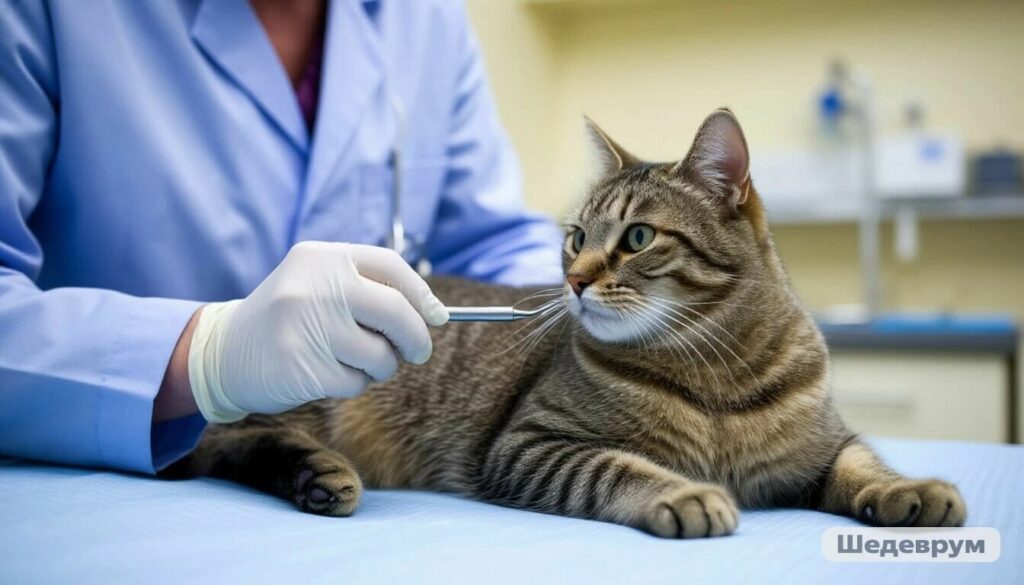
What Happens During a Professional Dental Cleaning
- Pre-anesthetic exam and blood work – Ensures your pet is healthy enough for anesthesia.
- Anesthesia – Essential for thorough cleaning and safety (pets won’t hold still awake, and instruments can cause injury).
- Dental charting – Veterinarian examines each tooth, notes abnormalities.
- Scaling – Ultrasonic scaler removes tartar above and below gum line.
- Polishing – Smooths tooth surfaces to slow plaque reattachment.
- Oral examination and X-rays – Checks for hidden problems (tooth root abscesses, bone loss).
- Extractions if needed – Removes diseased or damaged teeth.
How Often Are Professional Cleanings Needed?
Frequency depends on your pet’s individual needs, but general guidelines are:
- Small breed dogs: Often need annual cleanings due to crowding
- Large breed dogs: Every 1-3 years
- Cats: Every 1-2 years
- Pets with dental disease: More frequent as recommended by vet
Special Considerations by Life Stage
Puppies and Kittens
- Start early: Introduce brushing during socialization period (8-12 weeks).
- Teething: Puppies and kittens lose baby teeth around 4-6 months. Provide safe chew toys.
- Monitor for retained baby teeth: If baby teeth don’t fall out, they can cause crowding and dental disease.
Senior Pets
- More frequent monitoring: Senior pets are prone to dental disease, oral tumors, and tooth resorption (especially cats).
- Gentle care: Arthritic pets may have difficulty standing for brushing—use soft brushes and be patient.
- Regular vet checks: Senior pets benefit from professional exams every 6 months.
Brachycephalic Breeds (Bulldogs, Pugs, Persians)
- Crowded teeth: These breeds often have misaligned, crowded teeth that trap food and plaque.
- Special attention: May need more frequent professional cleanings.
- Watch for: Retained baby teeth, extra teeth, oral abnormalities.
Nutrition for Dental Health
Foods That Support Dental Health
- Dental diets (Hill’s t/d, Royal Canin Dental): Specially formulated kibble texture scrubs teeth as pets chew.
- Crunchy vegetables: Carrots, cucumber slices (supervised, cut appropriately).
- Raw meaty bones (with caution): Consult your vet—some bones can fracture teeth or cause obstructions.
Foods to Avoid
- Sticky treats (dental treats are fine, but some sticky treats adhere to teeth).
- Table scraps high in sugar.
- Hard chew toys that are harder than teeth (antlers, bones, hard nylon).
Frequently Asked Questions
How often should I brush my pet’s teeth?
Veterinarians at AVMA recommend daily brushing for optimal results. If that’s not possible, aim for at least 3-4 times weekly.
Can I use human toothpaste?
Never! Human toothpaste contains xylitol (toxic to pets) and foaming agents that can cause stomach upset.
My pet hates brushing. What can I do?
- Start slowly with positive reinforcement.
- Use flavored enzymatic toothpaste.
- Try finger brushes before moving to toothbrushes.
- Consider alternatives like dental chews and water additives.
Are dental chews enough?
Dental chews are helpful but not a replacement for brushing. They’re best used as part of a comprehensive dental care routine.
What’s the black line on my cat’s tooth?
This is probably tooth resorption—a painful condition common in cats where the tooth structure breaks down. Veterinary attention is needed.
My dog’s breath is terrible. Is that normal?
No! Bad breath (halitosis) is a sign of dental disease or other health issues. Schedule a veterinary dental examination.
How much does a professional dental cleaning cost?
Costs vary by location and your pet’s needs, typically ranging from $300–$1,000+. Pre-anesthetic blood work, anesthesia, cleaning, and extractions all affect the price.
Conclusion
Pet dental health 2026 is an essential component of your furry friend’s overall wellbeing. By establishing a daily brushing routine, providing appropriate dental products, and scheduling regular professional veterinary care, you can prevent painful dental disease and protect your pet from serious health complications. We hope this pet dental health 2026 guide helps you keep your furry friend’s smile bright and healthy for years to come.
This guide to pet dental health 2026 provides the knowledge you need to keep your companion’s smile bright and healthy. For more ways to care for your pet, check out our guides on: