Intro
Does your dog start scratching excessively every spring or fall? You might be dealing with seasonal allergies (also called atopic dermatitis). Just like humans, dogs can suffer from environmental allergies triggered by pollen, mold, dust mites, and grasses. In fact, atopic dermatitis affects approximately 10-15% of the canine population and is one of the most common reasons dogs visit the vet . This comprehensive guide will help you understand the signs of seasonal allergies in dogs, identify common triggers, and discover effective ways to help your furry friend find relief.
What Are Seasonal Allergies in Dogs?
Seasonal allergies (atopy) are an overreaction of your dog’s immune system to environmental substances that are normally harmless . Unlike food allergies, which can cause symptoms year-round, seasonal allergies flare up during specific times of the year when certain allergens are present. When a susceptible dog inhales or absorbs allergens through the skin, their immune system mounts an inflammatory response, leading to the classic signs of itching and skin irritation.

Common Signs of Seasonal Allergies in Dogs
The symptoms of seasonal allergies are primarily skin-related, though other signs can occur :
Skin-Related Symptoms
- Intense itching (pruritus) , especially on the face, paws, belly, and ears
- Excessive licking or chewing of paws (often the first sign owners notice)
- Rubbing face against furniture or carpet
- Red, inflamed skin or hot spots
- Hives or raised bumps
- Recurrent ear infections (otitis externa) with dark discharge or odor
- Hair loss from constant scratching or chewing
- Skin thickening and darkening (lichenification) in chronic cases
Respiratory Symptoms (Less Common)
- Sneezing
- Runny eyes (conjunctivitis)
- Nasal discharge
Secondary Infections
Constant scratching can damage the skin barrier, leading to bacterial or yeast infections, which worsen itching and require additional treatment .
When Do Seasonal Allergies Typically Occur?
The timing of allergy symptoms depends on the specific triggers :
| Season | Common Triggers |
|---|---|
| Spring | Tree pollen (oak, maple, birch, cedar) |
| Summer | Grass pollen, weed pollen |
| Fall | Ragweed, mold spores |
| Winter | Indoor allergens (dust mites, mold, dander) |
Some dogs may have multiple allergies and show signs throughout multiple seasons. This is known as multi-seasonal atopy.
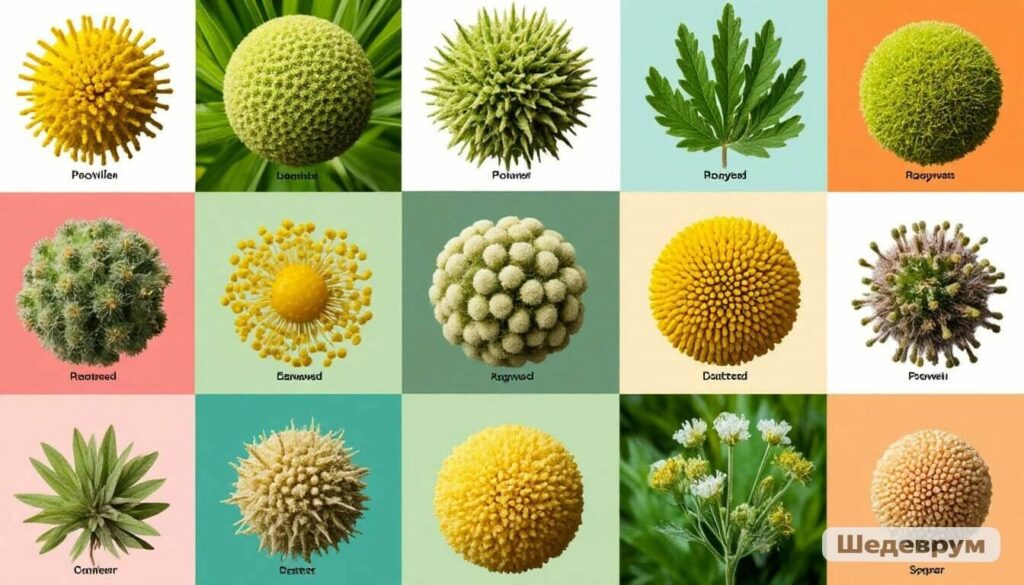
Common Allergens That Trigger Dogs
Outdoor Allergens
- Tree pollens: Oak, maple, birch, ash, cedar
- Grass pollens: Bermuda, Timothy, fescue
- Weed pollens: Ragweed, sagebrush, pigweed
- Molds: Alternaria, Cladosporium, Aspergillus
Indoor Allergens (Can cause year-round or seasonal symptoms)
- House dust mites: More common in humid climates
- Storage mites: Found in dry dog food
- Mold spores: Penicillium, Aspergillus
- Dander: From other pets or humans
- Feathers: In bedding
How Veterinarians Diagnose Seasonal Allergies
Step 1: Rule Out Other Causes
Your vet will first rule out other conditions that cause itching, including:
- Flea allergy dermatitis (the most common cause of itching in dogs)
- Food allergies (elimination diet trial may be needed)
- Contact dermatitis
- Parasites (mange, scabies)
Step 2: Intradermal Skin Testing
This is the gold standard for identifying specific allergens . Small amounts of purified allergens are injected into the skin, and reactions are measured. This test must be performed by a veterinary dermatologist and requires sedation.
Step 3: Blood Testing (Serum IgE Testing)
Blood tests can identify antibodies to specific allergens. While less invasive than skin testing, they are slightly less accurate . These tests are often used when skin testing isn’t available.
Treatment Options for Seasonal Allergies
1. Avoidance
The best treatment is preventing exposure to allergens, though this isn’t always possible . Strategies include:
- Keeping your dog indoors when pollen counts are high (early morning and evening)
- Wiping paws and coat after walks with a damp cloth
- Bathing weekly with hypoallergenic or medicated shampoos to remove allergens
- Using air purifiers with HEPA filters in your home
- Washing bedding frequently in hot water
- Vacuuming regularly with a HEPA-filter vacuum
2. Medications
| Medication Type | Examples | How It Works |
|---|---|---|
| Antihistamines | Benadryl, Zyrtec, Claritin | Block histamine receptors; effective in about 30% of dogs |
| Corticosteroids | Prednisone, Prednisolone | Powerful anti-inflammatories; short-term use only |
| Apoquel | Oclacitinib | Rapidly reduces itching; blocks itch signals at the cellular level |
| Cytopoint | Lokivetmab | Injectable antibody that neutralizes itch signals for 4-8 weeks |
| Cyclosporine | Atopica | Modulates immune response; good for long-term management |
| Essential fatty acids | Omega-3 supplements | Support skin barrier and reduce inflammation |
3. Immunotherapy (Allergy Shots or Drops)
Based on skin or blood test results, a custom serum is created to desensitize your dog to specific allergens over time. Immunotherapy is the only treatment that addresses the underlying cause of allergies, not just symptoms . Success rates are 60-80% .
4. Topical Treatments
- Medicated shampoos: Contain oatmeal, aloe, or antihistamines to soothe skin
- Sprays and wipes: Can provide temporary relief for localized itching
- Ear cleaners: Regular cleaning prevents secondary infections

Natural Remedies and Supportive Care
1. Omega-3 Fatty Acids
Fish oil supplements (EPA/DHA) have been shown to reduce inflammation and improve skin health . Look for high-quality products with at least 300mg combined EPA/DHA per 10lbs of body weight.
2. Coconut Oil
Can be applied topically to soothe irritated skin or added to food for its anti-inflammatory properties.
3. Oatmeal Baths
Colloidal oatmeal baths can provide temporary relief from itching. Use lukewarm water and let your dog soak for 5-10 minutes.
4. Quercetin (Nature’s Benadryl)
A plant-based flavonoid with natural antihistamine properties . It’s found in apples, onions, and tea, but supplements are more effective.
5. Local Honey (for pollen allergies)
Some owners swear by local raw honey to desensitize dogs to local pollens, though scientific evidence is limited.
When to See a Veterinary Dermatologist
If your dog’s symptoms don’t respond to basic treatments, or if they have severe skin infections, a board-certified veterinary dermatologist can offer advanced diagnostics and treatment options. For more information on managing skin health, see our guide on best dog food for allergies.
Breed Predisposition
Certain breeds are more prone to developing seasonal allergies due to genetic factors :
| Breed Group | Specific Breeds |
|---|---|
| Terriers | West Highland White Terrier, Fox Terrier |
| Retrievers | Golden Retriever, Labrador Retriever |
| Brachycephalic | Bulldogs, French Bulldogs, Boxers |
| Sight Hounds | Greyhounds, Whippets |
| Others | Dalmatian, Irish Setter, Shar-Pei, Lhasa Apso, Shih Tzu |
If you have a predisposed breed, starting preventive care early can help manage symptoms before they become severe.
Frequently Asked Questions
Can seasonal allergies be cured?
There’s no cure for allergies, but they can be effectively managed with a combination of avoidance, medications, and immunotherapy . Many dogs live comfortable lives with proper treatment.
Are certain dog breeds more prone to allergies?
Yes, some breeds have a genetic predisposition to atopic dermatitis. Breeds like Golden Retrievers, Labrador Retrievers, West Highland White Terriers, and Bulldogs are commonly affected .
Can I give my dog human antihistamines?
Some human antihistamines are safe for dogs, but you must consult your vet for proper dosing. Never give products containing decongestants or pain relievers (like Benadryl-D or Tylenol PM).
How can I tell if my dog has allergies or something else?
Allergies typically cause itching, while other conditions may cause different symptoms. Your veterinarian can perform tests to rule out parasites, infections, and other causes .
Do dog allergies get worse with age?
Allergies can progress over time, but with proper management, symptoms can be controlled. Some dogs may develop additional sensitivities as they age.
What’s the difference between seasonal allergies and food allergies?
Seasonal allergies are triggered by environmental substances (pollen, mold, dust mites) and typically cause skin symptoms year-round or seasonally. Food allergies are triggered by dietary ingredients (proteins like beef, chicken, dairy) and can cause both skin and digestive symptoms .
Conclusion
Seasonal allergies in dogs can be frustrating for both pets and owners, but with the right approach, most dogs can find significant relief. The key steps are:
- Recognizing the signs (itching, paw licking, ear infections)
- Working with your vet to diagnose the specific triggers
- Developing a comprehensive management plan including avoidance, medications, and supportive care
- Being patient and consistent with treatment
Remember, managing allergies is often a lifelong process, but it doesn’t have to diminish your dog’s quality of life. For more information on digestive health and diet, check out our guide on best dog food for sensitive stomach. According to the American Veterinary Medical Association, atopic dermatitis affects up to 15% of dogs. Managing seasonal allergies in dogs requires patience, but with the right approach your dog can live comfortably. Remember, managing seasonal allergies in dogs is a journey, but with patience you’ll find what works best for your pet.