Intro
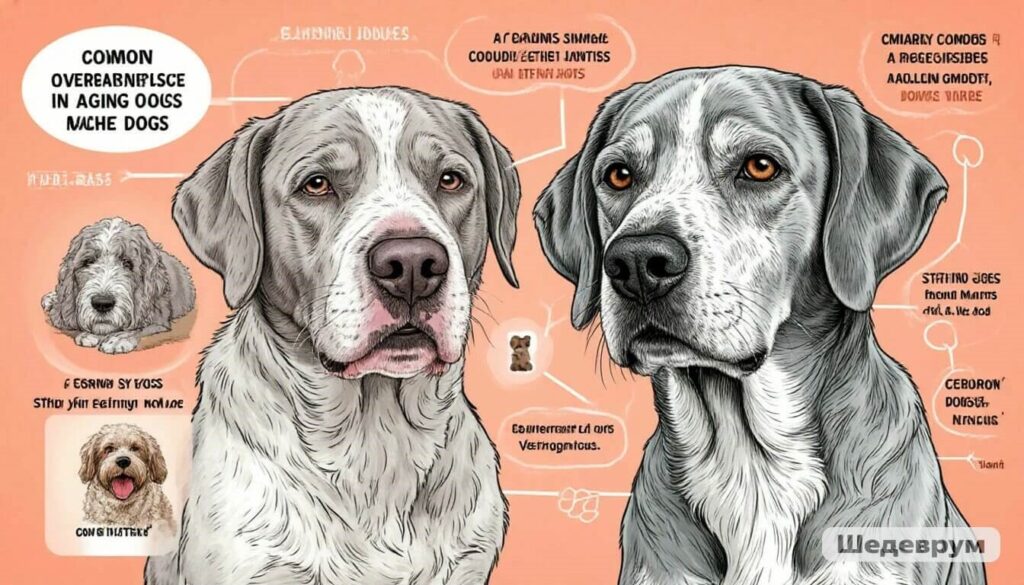
Senior dog health 2026 is a topic every dog owner should understand. As dogs live longer thanks to advances in veterinary medicine and nutrition, their senior years can be a significant portion of their lives. Many dogs are considered senior around 7-9 years old, depending on breed and size. During this time, they face unique health challenges, including arthritis, dental disease, kidney issues, and cognitive decline .
This comprehensive senior dog health 2026 guide will help you recognize the signs of aging, understand common age-related diseases, and learn how to adapt your dog’s care to keep them comfortable and happy in their golden years. We’ll cover everything from nutrition and exercise to veterinary care and environmental modifications.
When Is a Dog Considered Senior?
The age at which a dog becomes senior varies by size and breed:
| Size | Senior Age |
|---|---|
| Small breeds (under 20 lbs) | 10-12 years |
| Medium breeds (20-50 lbs) | 8-10 years |
| Large breeds (50-90 lbs) | 7-9 years |
| Giant breeds (over 90 lbs) | 6-8 years |
However, aging is individual. Some dogs show signs earlier, others remain sprightly longer. Veterinarians at AVMA recommend that all dogs over 7 years old have a veterinary checkup at least twice a year, as early detection of age-related issues is crucial.
Physical and Behavioral Changes in Senior Dogs
Common Physical Changes
| Change | What It Means |
|---|---|
| Graying muzzle and coat | Normal aging; more noticeable in some breeds |
| Cloudy eyes | Lenticular sclerosis (normal) vs. cataracts (medical) |
| Weight changes | Loss of muscle mass (sarcopenia) is common; weight gain may indicate reduced activity |
| Decreased mobility | Stiffness, difficulty rising, slower on stairs; may indicate arthritis |
| Dental issues | Increased tartar, gum disease, tooth loss, bad breath |
| Lumps and bumps | Most are benign, but should be checked |
| Hearing and vision loss | Gradual decline; may cause startle responses |
Common Behavioral Changes
- Increased sleep (senior dogs sleep up to 18 hours daily)
- Changes in interaction (some become more clingy, others more withdrawn)
- Confusion or disorientation (may indicate cognitive dysfunction)
- House soiling accidents (may indicate incontinence or cognitive issues)
- Increased vocalization (especially at night)
- Irritability (may be due to pain)
Common Health Problems in Senior Dogs
1. Arthritis (Osteoarthritis)
Arthritis is extremely common in senior dogs, affecting over 80% of dogs over 8 years old . It causes pain, stiffness, and reduced mobility.
Signs: Difficulty rising, limping, reluctance to jump or climb stairs, stiffness after rest, changes in gait.
Management:
- Weight management (reduces joint stress)
- Joint supplements (glucosamine, chondroitin, omega-3s)
- Pain medication (NSAIDs prescribed by vet)
- Physical therapy, acupuncture, cold laser
- Orthopedic bedding, ramps, non-slip flooring
2. Dental Disease
Dental disease affects most senior dogs and can lead to pain, tooth loss, and systemic infections affecting the heart, liver, and kidneys.
Signs: Bad breath, red or bleeding gums, drooling, difficulty eating, pawing at mouth, weight loss.
Prevention and Treatment:
- Regular dental checkups and cleanings under anesthesia
- Daily toothbrushing with dog-safe toothpaste
- Dental treats and diets
- See our Pet Dental Health 2026 guide for detailed information.
3. Chronic Kidney Disease (CKD)
CKD is a progressive loss of kidney function, common in older dogs. Early detection and management can slow progression.
Signs: Increased thirst and urination, weight loss, poor appetite, vomiting, bad breath (uremic), lethargy.
Management:
- Prescription kidney diets (low phosphorus, high-quality protein)
- Ensure fresh water always available
- Medications to manage symptoms
- Regular veterinary monitoring (blood work, urinalysis)
4. Obesity
Excess weight exacerbates many age-related conditions, especially arthritis, and increases the risk of diabetes, heart disease, and cancer.
Management:
- Controlled portions (not free-feeding)
- Weight management diets
- Regular weigh-ins (Best Smart Pet Scales 2026 can help)
5. Cognitive Dysfunction Syndrome (CDS)
Similar to Alzheimer’s in humans, CDS affects many senior dogs. Signs include disorientation, changes in sleep-wake cycles, house soiling, and altered interactions.
Management:
- Environmental enrichment (puzzle toys, new experiences)
- Consistent routine
- Medications (some human Alzheimer’s drugs may help, consult vet)
- Antioxidant-rich diets and supplements
6. Heart Disease
Heart disease, especially mitral valve disease in small breeds, is common in senior dogs.
Signs: Coughing, exercise intolerance, difficulty breathing, lethargy.
Management:
- Regular veterinary checkups with cardiac auscultation
- Medications as prescribed
- Low-sodium diets if recommended
7. Cancer
Cancer risk increases with age. Common types in dogs include lymphoma, mast cell tumors, osteosarcoma, and hemangiosarcoma.
Signs: Lumps or bumps that change, weight loss, lethargy, changes in appetite, vomiting, diarrhea, difficulty breathing, non-healing sores.
Treatment: Depends on type and stage—surgery, chemotherapy, radiation, palliative care.
Nutrition for Senior Dogs
Key Nutritional Needs
| Nutrient | Importance |
|---|---|
| High-quality protein | Maintains muscle mass; senior dogs need MORE protein, not less (unless restricted for kidney disease) |
| Controlled phosphorus | Important for kidney health |
| Omega-3 fatty acids | Reduce inflammation, support joint and brain health |
| Antioxidants | Support aging immune system and cognitive function |
| Increased fiber | Aids digestion and weight management |
| Easily digestible ingredients | Aging digestive systems may be less efficient |
Choosing the Right Food
- Senior-formulated diets: Many brands offer senior formulas with adjusted nutrient profiles.
- Prescription diets: For dogs with specific health conditions (kidney, arthritis, etc.)
- Wet vs. dry: Canned food provides hydration, which is especially important for kidney health.
- See our How to Choose the Best Pet Food 2026 guide for detailed advice.
- See our Best Dog Food for Senior Dogs guide for specific recommendations.
Feeding Tips for Senior Dogs
- Smaller, more frequent meals: May be easier on digestion.
- Warm food slightly: Enhances aroma, appealing to dogs with decreased sense of smell.
- Elevated bowls: May help dogs with arthritis.
- Monitor intake closely: Changes in appetite are early signs of illness.
Environmental Modifications for Senior Dogs
Home Adaptations
- Ramps or steps: For furniture, cars, and stairs.
- Non-slip rugs: On slippery floors to prevent falls.
- Orthopedic beds: Provide extra cushioning for aching joints.
- Keep essentials accessible: Food, water, bed on one level if possible.
- Night lights: Help dogs with declining vision navigate at night.
Exercise and Activity
- Shorter, more frequent walks rather than one long walk.
- Swimming (excellent low-impact exercise).
- Gentle play with appropriate toys.
- Mental stimulation through puzzle toys and training.
Grooming
- Regular brushing: Removes loose hair, stimulates circulation, and helps you check for lumps.
- Nail trims: Senior dogs’ nails often become overgrown and brittle. Trim regularly (every 2-4 weeks).
- Dental care: Daily brushing is ideal. See our Pet Dental Health 2026 guide for tips.
- Bathing: Use gentle, moisturizing shampoos.
Veterinary Care for Senior Dogs
Recommended Checkup Frequency
Veterinarians at AVMA recommend:
- Healthy seniors: Twice-yearly exams
- Seniors with chronic conditions: Every 3-4 months or as recommended
Recommended Diagnostics
- Complete blood count (CBC) and chemistry panel: At least annually
- Urinalysis: At least annually
- Thyroid testing: Especially for breeds prone to thyroid issues
- Blood pressure measurement: To detect hypertension
- Dental evaluation: Every 6-12 months
Vaccinations
Senior dogs may need adjusted vaccine protocols. Discuss with your vet whether all vaccines are still necessary based on lifestyle and risk. See our Pet Vaccination Schedule 2026 guide for more information.

Quality of Life Considerations
Signs of Good Quality of Life
- Eating and drinking adequately
- Comfortable breathing
- Mobility (with or without assistance)
- Interest in surroundings and family
- Freedom from pain (with or without medication)
- Enjoyment of favorite activities (even modified)
When to Consider Euthanasia
This is a deeply personal decision. Veterinarians at AVMA recommend considering:
- Are there more bad days than good days?
- Is your dog still enjoying favorite activities?
- Is pain manageable with medication?
- Is your dog eating and drinking adequately?
- Is your dog experiencing more discomfort than comfort?
Discuss openly with your veterinarian. They can help assess quality of life and guide you through this difficult decision.
Frequently Asked Questions
How can I tell if my senior dog is in pain?
Signs include: changes in behavior (withdrawal, aggression), decreased appetite, difficulty rising, limping, panting, trembling, excessive licking of specific areas.
Should I switch my senior dog to a senior-specific food?
High-quality senior diets are formulated to meet changing nutritional needs, but consult your vet first, especially if your dog has health conditions.
My senior dog is drinking more water. Should I worry?
Yes. Increased thirst can indicate kidney disease, diabetes, or other conditions. Veterinary check needed.
How do I help my arthritic dog on stairs?
Use ramps, carry small dogs, or restrict access to stairs with gates. Joint supplements and pain medication may help.
My senior dog seems confused at times. What could it be?
Disorientation may indicate cognitive dysfunction syndrome (dementia) or underlying medical issues. Consult your vet.
How often should I take my senior dog to the vet?
At least twice a year for dogs over 7-8 years old. More frequent visits may be needed for dogs with chronic conditions.
Conclusion
Senior dog health 2026 requires proactive, attentive care. By understanding the changes that come with age, recognizing early signs of disease, and working closely with your veterinarian, you can help your aging companion enjoy their golden years with comfort and dignity. We hope this senior dog health 2026 guide helps you and your aging companion enjoy many happy, comfortable years together.
This senior dog health 2026 guide provides the knowledge you need to support your faithful friend. For more information on related topics, check out our other guides: