Intro
Can cats eat bananas? This is a common question for cat owners. Bananas are a popular, potassium-rich snack for humans, but do they belong in your cat’s diet? While cats are obligate carnivores, they can occasionally nibble on some fruits. The answer is yes, cats can eat bananas in very small amounts, but this sweet treat comes with important caveats that every owner should know.
Are Bananas Safe for Cats?
Yes, the flesh of a ripe banana is non-toxic to cats and generally safe for an occasional tiny taste. However, due to their high sugar and carbohydrate content, bananas are not a natural part of a feline diet and should be considered a rare curiosity, not a regular snack.
Potential Benefits of Bananas for Cats
If your cat shows interest, a tiny piece of banana might offer minimal benefits:
- Source of Potassium & Magnesium: These electrolytes support nerve function and muscle health.
- Provides Dietary Fiber: A small amount can aid in digestion, though too much will have the opposite effect.
- Vitamins B6 & C: Support immune system and metabolic health.
Important: These nutrients are already fully provided by a high-quality, balanced cat food. A banana is not a necessary supplement. One of the reasons owners ask can cats eat bananas is because they are high in potassium.
Potential Risks and Precautions

The risks often outweigh the minimal benefits:
- High Sugar Content: Bananas are high in natural sugars, which can lead to weight gain, diabetes, and digestive upset in cats.
- Digestive Issues: Cats lack the enzymes to efficiently process plant matter. Too much banana can cause gas, bloating, constipation, or diarrhea.
- Choking Hazard: The stringy texture (phloem bundles) or a large piece can pose a choking risk.
- Banana Peels are a No-Go: The peel is difficult to digest, can cause intestinal blockage, and may contain pesticide residues. Never let your cat chew on the peel. Before feeding, you should know that can cats eat bananas safely only in extremely small amounts. According to the American Veterinary Medical Association, treats should never exceed 10% of a pet’s daily calories. If your cat shows signs of digestive distress or refuses to eat after trying new foods, check our guide on why your cat might not be eating.
How to Feed Bananas to Your Cat Safely (If You Decide To)
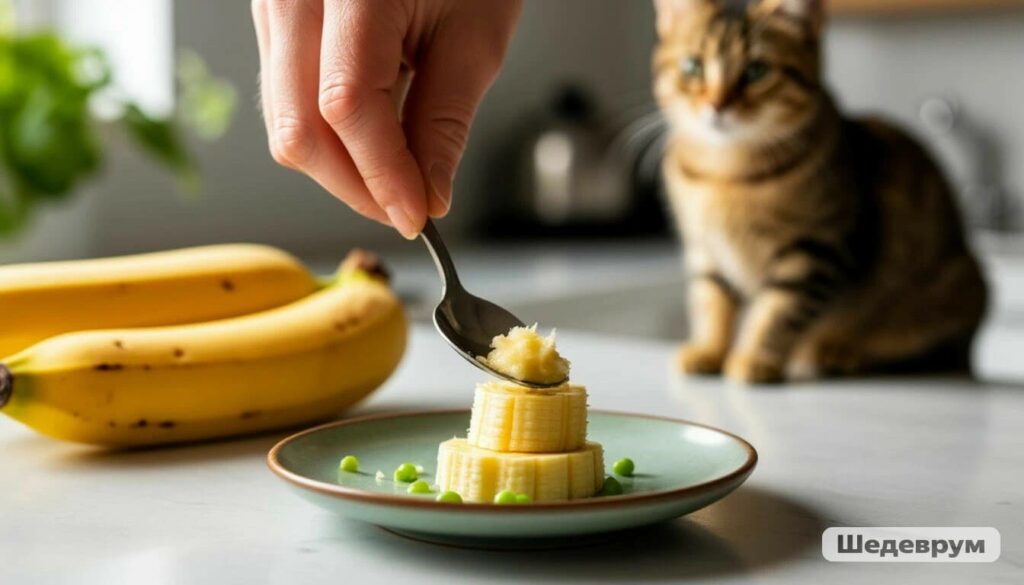
If you want to offer a taste, follow these strict guidelines:
- Choose a Ripe Banana: A small piece of soft, ripe banana is easier to digest.
- Peel and Prepare: Remove all of the peel and the stringy bits. Mash a tiny amount (about 1/4 of a teaspoon) or offer a minuscule piece.
- Offer Sparingly: Place the morsel in your cat’s bowl, not from your hand, to avoid encouraging begging.
- Observe Closely: Watch for any signs of gastrointestinal distress or disinterest over the next 24 hours. Most cats will simply walk away.
How Often Can Cats Eat Bananas?
Extremely rarely, if at all. For the vast majority of cats, there is no nutritional need for bananas. If your cat enjoys the taste and shows no ill effects, an amount smaller than a blueberry once a month is the absolute maximum. It should never exceed 1-2% of their daily calorie intake. For a much safer and more suitable treat, consider a tiny bit of plain cooked pumpkin for digestive support. To safely answer the question can cats eat bananas, always offer a tiny, mashed piece no larger than a pea.
Frequently Asked Questions
- Can kittens eat bananas?Kittens have very sensitive digestive systems, so it’s best to avoid giving them bananas. Stick to their regular kitten food and consult your vet before introducing any treats.
- How much banana can I give my cat? For an average-sized adult cat, a piece no larger than a pea (about ¼ teaspoon) once a month is the absolute maximum.
- Are banana peels safe for cats? No, banana peels are not safe. They are difficult to digest and can cause intestinal blockage. Always peel the banana thoroughly before offering any flesh.
Conclusion
While not toxic, bananas are not a recommended treat for cats. Their high sugar content and lack of nutritional necessity for felines make them a treat best avoided. If you choose to offer a taste, it must be in an exceptionally tiny, prepared amount and on an extremely rare basis. For optimal health, stick to treats formulated specifically for cats and always consult your veterinarian about your pet’s diet. In summary, can cats eat bananas? Yes, but only as a rare treat and in microscopic portions.