Intro
Adult dog behavior problems can be challenging and stressful for any owner. Unlike puppies, adult dogs often come with established habits—some of which may be undesirable or even dangerous. Whether you’ve adopted an adult dog from a shelter, taken in a stray, or your once-perfect puppy has developed troubling behaviors like aggression, anxiety, or leash pulling, this guide is for you.
This comprehensive adult dog behavior problems guide 2026 covers the most common behavioral issues in mature dogs and provides practical, positive-reinforcement-based solutions. We’ll explore the root causes of aggression, separation anxiety, fear, excessive barking, and leash reactivity. You’ll learn how to modify these behaviors safely and effectively, and when to seek professional help. With patience and the right approach, you can help your adult dog become a calm, confident, and happy companion.
Understanding Adult Dog Behavior
Why Adult Dogs Develop Behavior Problems
Unlike puppies, whose undesirable behaviors are often due to lack of training, adult dogs’ problems usually have deeper roots:
| Cause | Description |
|---|---|
| Lack of early socialization | Dogs not exposed to various people, animals, and environments during the critical 3-16 week window may develop fear-based reactions later. |
| Trauma or negative experiences | Abused, neglected, or stray dogs often carry emotional scars. |
| Medical issues | Pain, thyroid imbalances, neurological problems, or sensory decline can trigger behavioral changes. |
| Genetics | Some breeds are predisposed to certain behaviors (e.g., herding breeds may nip, guarding breeds may be aloof). |
| Learned behavior | Dogs repeat behaviors that have been reinforced (even unintentionally). |
| Environmental stress | Changes in routine, new family members, moving, or lack of mental stimulation can cause anxiety. |
| Age-related changes | Senior dogs may develop anxiety, confusion (canine cognitive dysfunction), or increased irritability due to pain. |
Veterinary behaviorists at AVMA emphasize that a thorough veterinary examination is the first step in addressing any sudden behavior change, as medical causes must be ruled out.
The Importance of Positive Reinforcement
Modern, science-based training relies on positive reinforcement—rewarding desired behaviors to make them more likely to be repeated. This approach:
- Builds trust and strengthens your bond
- Reduces fear and anxiety
- Is effective for long-term behavior change
- Avoids the negative side effects of punishment (increased fear, aggression, and damaged relationship)
AAHA guidelines strongly recommend force-free, reward-based methods for all dogs, especially those with behavior problems.
Common Behavior Problems and Solutions
1. Aggression
Aggression is one of the most serious behavior problems and should always be addressed with professional guidance. Types include:
| Type | Signs | Common Triggers |
|---|---|---|
| Fear-based | Growling, baring teeth, snapping when cornered or approached | Strangers, sudden movements, handling |
| Territorial | Aggression toward people or animals entering the home or yard | Delivery people, guests, other animals |
| Resource guarding | Growling or snapping when approached while eating, chewing, or near valued objects | Food, toys, beds, people |
| Redirected | Aggression toward a person or animal that intervenes in a fight | Dog fights, excited states |
| Pain-related | Sudden aggression when touched in a painful area | Arthritis, injuries, infections |
What to Do:
- Consult your veterinarian first to rule out medical causes (pain, thyroid issues, neurological problems).
- Work with a qualified professional. Seek a certified applied animal behaviorist (CAAB) or a veterinary behaviorist (Dip ACVB) for aggression cases. Find a behaviorist .
- Avoid punishment. Punishing an aggressive dog can escalate the behavior and increase risk.
- Manage the environment. Prevent access to situations that trigger aggression while you work on modification.
- Use counter-conditioning and desensitization. Under professional guidance, change your dog’s emotional response to triggers by pairing them with high-value rewards.
2. Separation Anxiety
Dogs with separation anxiety display distress when left alone. Signs include:
- Excessive barking, howling, or whining
- Destructive behavior (chewing doors, furniture, window sills)
- House soiling (even if housetrained)
- Pacing, drooling, or escaping
- Self-injury
What to Do:
- Rule out medical causes. Veterinarians at AVMA recommend a checkup to rule out conditions causing discomfort.
- Practice departures. Start with very short absences (seconds) and gradually increase duration.
- Create a safe space. Use a crate (if your dog is crate-trained and comfortable) or a room with familiar items.
- Leave engaging activities. Puzzle toys stuffed with frozen treats can keep your dog occupied.
- Don’t make a fuss. Keep arrivals and departures low-key.
- Consider medication. In severe cases, medication prescribed by a veterinarian can help reduce anxiety, making training possible.
- Avoid punishment. Your dog isn’t being “bad”; they’re having a panic attack.
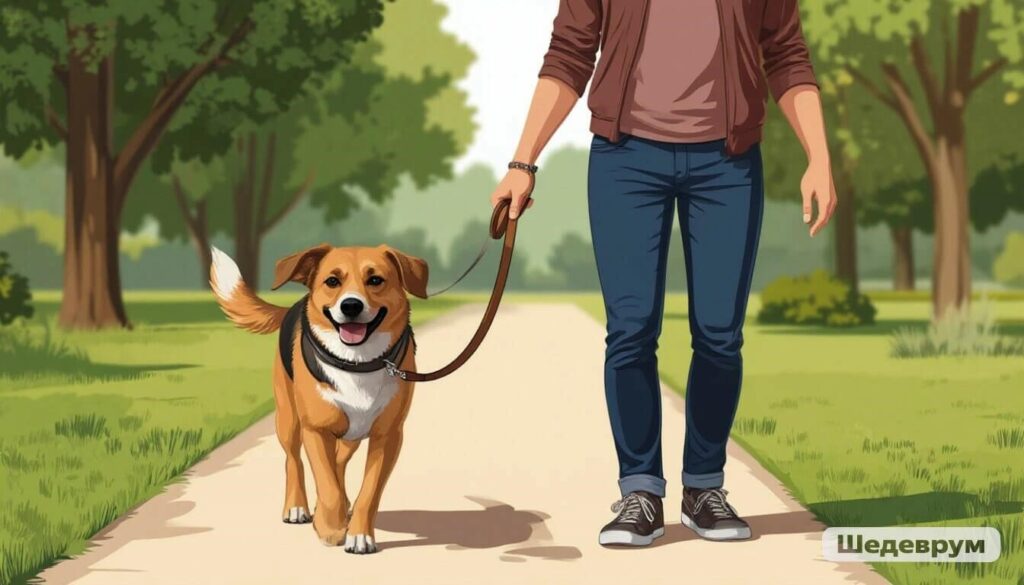
3. Leash Reactivity (Pulling, Lunging, Barking)
Reactivity on leash is often frustration-based or fear-based. Your dog may lunge and bark at other dogs, people, or moving objects.
What to Do:
- Use a front-clip harness. This gives you more control without causing pain.
- Increase distance. Cross the street or move away from triggers.
- Teach “Look at that” (LAT). When your dog notices a trigger at a distance, mark and reward for looking at you instead of reacting.
- Use high-value treats. Save extra-special treats for walks.
- Practice parallel walking. Walk with a friend and their calm dog at a safe distance, gradually decreasing it over time.
- Consider a “Find it!” game. Toss treats on the ground to redirect attention.
4. Excessive Barking
Barking is natural, but excessive barking can be a problem. Identify the cause:
| Cause | Solution |
|---|---|
| Territorial/Alert | Manage the environment (close curtains), teach a “quiet” cue, reward calm behavior. |
| Boredom | Increase physical exercise, mental stimulation (puzzle toys), and training sessions. |
| Separation anxiety | Address the underlying anxiety (see above). |
| Fear (noises) | Provide a safe space, use white noise, consider anxiety wraps or supplements. |
| Attention-seeking | Ignore the barking, reward quiet behavior. |
5. Jumping Up
Dogs jump to greet people, seeking attention. Even negative attention (pushing, yelling) can reinforce the behavior.
What to Do:
- Turn away and ignore. The moment your dog jumps, cross your arms, turn your back, and give no attention.
- Reward four on the floor. When all paws are on the ground, turn back and give calm praise and attention.
- Teach an alternative behavior. Ask for a “sit” before greeting.
- Be consistent. Everyone in the household and visitors must follow the same rules.
6. Fear and Phobias (Noises, Thunder, Fireworks)
Many dogs are frightened by loud noises. Signs include trembling, hiding, panting, pacing, and destructive attempts to escape.
What to Do:
- Create a safe haven. A crate covered with a blanket, an interior room, or a closet can provide security.
- Use white noise. Fans, TV, or specialized white noise machines can mask scary sounds.
- Try anxiety wraps. Thundershirts or similar products provide gentle, calming pressure.
- Consider supplements or medication. Consult your veterinarian about calming supplements, pheromone diffusers (Adaptil), or anti-anxiety medication for severe cases.
- Never punish. Your dog isn’t being disobedient; they’re terrified.
7. Resource Guarding
Guarding food, toys, or resting places is a natural but problematic behavior.
What to Do:
- Trade up. If your dog guards an item, toss high-value treats nearby and let them keep the item. Gradually, you can trade a low-value item for a high-value treat.
- Practice “drop it” and “leave it” commands. Teach these cues in neutral situations first.
- Feed separately. If you have multiple dogs, feed them in separate areas.
- Don’t challenge your dog. Avoid taking items directly from your dog unless it’s an emergency (and then, trade).
- Seek professional help. Resource guarding can escalate to bites; work with a qualified trainer or behaviorist.
General Training Tips for Adult Dogs
Be Patient and Realistic
Changing established behaviors takes time. Your dog didn’t learn these habits overnight, and they won’t unlearn them quickly. Celebrate small victories and be consistent.
Use High-Value Rewards
Adult dogs with behavior problems need extra motivation. Find what your dog loves most—tiny pieces of chicken, cheese, hot dogs, or a favorite toy—and save those for training sessions.
Manage the Environment
While you’re working on behavior modification, set your dog up for success. If they can’t handle the dog park, don’t go. If they jump on guests, keep them on a leash or behind a baby gate until they’re calm.
Exercise and Mental Stimulation
A tired dog is a good dog. Ensure your adult dog gets adequate physical exercise (appropriate for their age and health) and mental stimulation through puzzle toys, training games, and sniffing activities.
Seek Professional Help When Needed
There’s no shame in seeking help. Consider:
- Certified Professional Dog Trainers (CPDT-KA) for basic behavior issues.
- Certified Applied Animal Behaviorists (CAAB) for complex cases.
- Veterinary Behaviorists (Dip ACVB) for cases involving medication or severe aggression.
When to See a Veterinarian
Rule Out Medical Causes
Any sudden behavior change warrants a veterinary visit. Pain, hormonal imbalances, thyroid issues, neurological problems, and sensory decline can all cause behavioral changes. Veterinarians at AVMA recommend a thorough physical exam and possibly blood work as the first step.
Senior Dogs and Cognitive Dysfunction
Older dogs may develop Canine Cognitive Dysfunction (CCD), similar to Alzheimer’s in humans. Signs include disorientation, changes in sleep patterns, house soiling, and altered interactions. Your vet can help manage CCD with medication, diet, and environmental support. See our Senior Pet Care Guide 2026 for more information.
Frequently Asked Questions
Can an adult dog’s behavior really be changed?
Absolutely! While it may take more time and patience than training a puppy, adult dogs are absolutely capable of learning new behaviors and changing old habits. Consistency and positive reinforcement are key.
How long does it take to modify a behavior problem?
It varies widely depending on the issue, its severity, how long it’s been established, and your dog’s individual temperament. Some issues may show improvement in weeks, while others may take months of consistent work.
Is it ever too late to train an adult dog?
Never! Dogs are lifelong learners. Older dogs can learn new tricks and behaviors at any age.
Should I use a prong collar, shock collar, or choke chain for behavior problems?
AAHA guidelines and most veterinary behaviorists strongly advise against the use of aversive tools. They can increase fear, anxiety, and aggression, and damage the trust between you and your dog. Positive reinforcement methods are safer and more effective for long-term behavior change.
My dog is aggressive. Can I fix this myself?
Aggression is complex and potentially dangerous. It’s essential to work with a qualified professional—a certified applied animal behaviorist or veterinary behaviorist. They can assess your dog, identify triggers, and create a safe, effective modification plan.
What are the best treats for training an adult dog?
Choose small, soft, smelly, high-value treats that your dog absolutely loves. Think tiny pieces of cooked chicken, cheese, hot dogs, or commercial training treats. The treat should be something your dog doesn’t get at other times. If you’re struggling with adult dog behavior problems, don’t hesitate to seek professional help.
Conclusion
Adult dog behavior problems can be challenging, but with patience, understanding, and the right approach, most issues can be significantly improved or resolved. Remember that your dog isn’t giving you a hard time—they’re having a hard time. By addressing underlying causes, using positive reinforcement, and seeking professional help when needed, you can help your adult dog become a calm, confident, and happy companion. Remember, with patience and the right approach, most adult dog behavior problems can be significantly improved or even resolved.
This adult dog behavior problems guide 2026 provides a starting point for understanding and addressing common issues. For more information on related topics, check out our other guides: