Intro
Can cats eat peanut butter? This is a common question for cat owners who want to share their favorite snack. Peanut butter is a popular treat for dogs, but many cat owners wonder if it’s safe to share with their feline friends. The answer is more complicated than a simple yes or no. While plain peanut butter is not toxic, it is not recommended for cats due to several health risks, and even the “safe” version should be given with extreme caution.
Is Peanut Butter Safe for Cats?
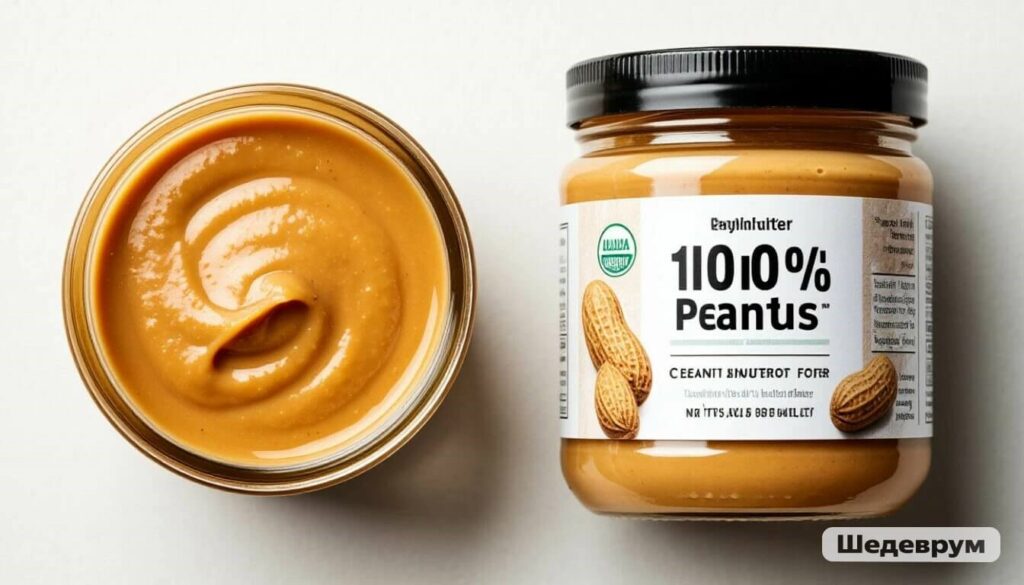
Plain, unsalted, 100% peanut butter (with no added sweeteners) is technically non-toxic in a minuscule amount. However, many commercial peanut butters contain ingredients that are dangerous or unhealthy for cats. It is a high-calorie treat with no nutritional benefits for felines and should be avoided as a regular snack.
Potential Benefits of Peanut Butter for Cats
There are no significant benefits. Any perceived positives are outweighed by risks:
- Protein & Healthy Fats: Contains plant-based protein and fats, but cats are obligate carnivores and require animal-based proteins. This is not a suitable source for them.
- As a Pill Hiding Tool: Its sticky texture can sometimes be used to hide medication, but there are safer alternatives like pill pockets or a tiny bit of canned food.
One of the reasons owners ask can cats eat peanut butter is because it seems like a high-protein treat.
Important Risks and Precautions
These risks make peanut butter a poor choice for cats:
- Xylitol Poisoning (EXTREMELY DANGEROUS): The sugar substitute xylitol, found in some “sugar-free” or “low-sugar” peanut butters, is highly toxic to cats and can cause life-threatening hypoglycemia and liver failure. Always check the label.
- High Fat and Calorie Content: Can lead to obesity and pancreatitis, a serious inflammation of the pancreas, especially if given in more than a tiny taste.
- Choking Hazard: The thick, sticky consistency can be a choking hazard or cause difficulty swallowing.
- Added Sugars and Salt: Harmful to cats’ health, contributing to weight gain and other issues. Many brands contain added sugar, salt, and hydrogenated oils.
- Allergies: Though rare, cats can have peanut allergies.
Before feeding, you should know that can cats eat peanut butter safely only if it contains no xylitol and is given in microscopic amounts.
According to the American Veterinary Medical Association, xylitol is extremely toxic to pets and requires immediate veterinary attention. If your cat shows signs of illness after eating peanut butter, consult our guide on why your cat might not be eating.
How to Feed Peanut Butter to Your Cat Safely (If You Must)
The process is strict and the portion microscopic. Only proceed if you have verified the peanut butter is 100% peanuts, no xylitol, no added sugar, no salt.
- Verify the Ingredients: Read the label. The only ingredient should be “peanuts.” Discard any product with xylitol, sugar, or salt.
- Prepare a Micro-Portion: Scoop no more than 1/8 of a teaspoon (about the size of a grain of rice).
- Smear, Don’t Scoop: Smear this tiny amount on a flat surface (like a plate) or mix it into a bit of their wet food to prevent choking. Do not offer it on a spoon or your finger.
- Offer Once and Observe: Let your cat lick it. Watch closely for any signs of distress, difficulty swallowing, or allergic reaction over the next 24 hours.
- Consider Safer Alternatives: For hiding pills, use a commercial cat pill pocket or a bit of soft cheese. For a high-value treat, use a tiny piece of freeze-dried chicken or fish.
To answer the question can cats eat peanut butter, always check the label for xylitol first, then offer a smear no larger than a grain of rice.
How Often Can Cats Eat Peanut Butter?

Almost never. If you have confirmed the peanut butter is absolutely pure and your cat showed no adverse reaction, this “treat” could be offered no more than once or twice a year in the minuscule amount described. It has no place in a cat’s diet. A much wiser approach is to avoid it altogether. For a comprehensive list of ingredients to always avoid, see our guide on harmful dog food ingredients, many of which also apply to cats (like artificial additives).
Conclusion
While a tiny lick of pure peanut butter is unlikely to poison a healthy cat, the potential risks—especially hidden xylitol—far outweigh any nonexistent benefits. It is a high-calorie, sticky, and unnecessary human food that offers no nutritional value to your feline. The safest and most responsible choice is to skip the peanut butter entirely and stick to treats formulated specifically for cats or small bits of appropriate human food like cooked meat. Always consult your veterinarian about safe treat options for your pet. For a completely safe and healthy treat, try plain cooked pumpkin for cats instead.