Intro
Cat behavior problems 2026 are among the most common reasons owners seek veterinary advice or consider rehoming their cats. Aggression, inappropriate elimination, and stress‑related behaviors can strain the human‑animal bond, but they are rarely “bad cat” problems—instead, they signal an underlying medical issue, environmental stress, or unmet needs . This comprehensive cat behavior problems guide will help you understand the root causes of common feline behavioral issues and provide practical, science‑based solutions to restore harmony in your home.
Why Understanding Cat Behavior Matters
The Stress‑Behavior Connection
Most behavior problems in cats stem from stress, which can be caused by:
- Changes in routine, new family members, moving, or other pets
- Inadequate resources (litter boxes, food, water, resting places)
- Medical conditions (pain, hyperthyroidism, dental disease)
- Unmet natural instincts (hunting, climbing, hiding)
Veterinarians at AVMA emphasize that a complete veterinary workup is the first step in addressing any behavior change.
The Importance of a Holistic Approach
Behavior modification should always start with:
- Rule out medical causes – a vet check, including blood work, urinalysis, and pain assessment.
- Assess the environment – is it meeting your cat’s physical and emotional needs?
- Modify the environment to reduce stress and allow natural behaviors.
- Use positive reinforcement – never punish; punishment increases fear and aggression.
Common Behavior Problems & Solutions
1. Aggression
Types of Aggression
| Type | Triggers | Solutions |
|---|---|---|
| Fear‑based | Unfamiliar people, animals, or situations | Avoid triggers, desensitization, provide hiding places, use pheromones (Feliway) |
| Play aggression | Stalking, pouncing on moving feet or hands | Increase interactive play (wand toys), provide enrichment, never use hands as toys |
| Redirected aggression | Cat sees another animal (indoor or outdoor) but can’t reach it; redirects aggression toward owner or other cat | Remove trigger, separate cats temporarily, reintroduce slowly |
| Petting‑induced aggression | Cat suddenly bites when being petted | Learn to read your cat’s body language (tail twitch, skin ripple), stop before threshold |
General Aggression Tips
- Never punish – it will increase fear and aggression.
- Provide escape routes – vertical spaces, hiding spots.
- Use pheromone diffusers (Feliway) to reduce stress.
- Consult a certified behaviorist for severe cases.
2. Litter Box Problems
Inappropriate elimination is the #1 behavior problem reported by cat owners.
Rule Out Medical Issues First
- Urinary tract infections, bladder stones, kidney disease, diabetes – all can cause litter box avoidance.
- See our Feline Urinary Tract Health 2026 guide for signs.
Environmental Causes & Solutions
| Problem | Likely Cause | Fix |
|---|---|---|
| Soiling outside box | Dirty litter box | Scoop daily, wash weekly, use unscented litter |
| Avoiding the box | Box location (too noisy, near food) | Move to quiet, low‑traffic area |
| Urinating in one specific spot | Marking (if on vertical surfaces) | Clean with enzymatic cleaner, block access |
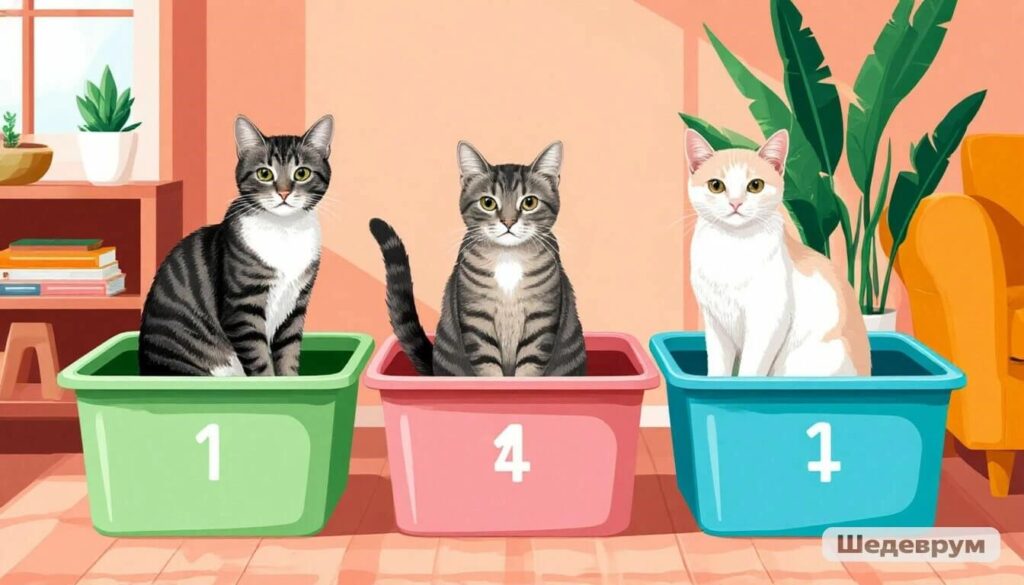
| Multiple cats | Not enough boxes | Follow n+1 rule (one box per cat plus one extra) |
| Cat doesn’t like litter type | Texture, scent | Try different litter (clumping, non‑clumping, paper) |
Litter Box Management Checklist
- 🧹 Scoop at least once daily
- 🧼 Wash box weekly with unscented soap
- 📦 Provide one box per cat + one extra
- 🪑 Boxes should be large enough (1.5× cat length)
- 🚪 Place in quiet, accessible locations (not near loud appliances)
3. Stress, Anxiety & Fear
Signs of Stress in Cats
- Hiding more than usual
- Changes in appetite or sleep
- Excessive grooming or lack of grooming
- Over‑vigilance, startling easily
- House soiling
- Aggression or withdrawal
How to Reduce Stress
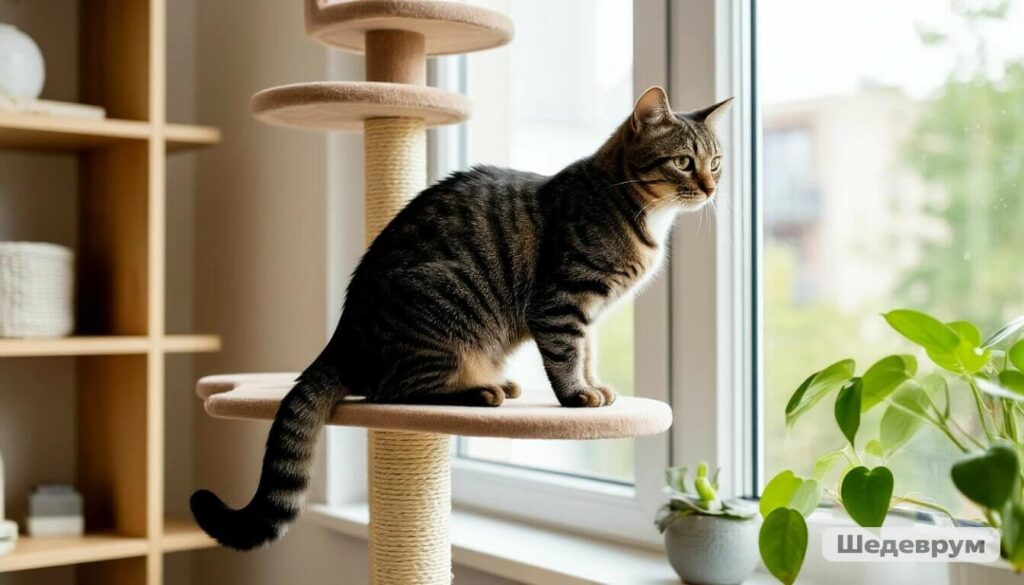
- Provide vertical space – cat trees, shelves, window perches.
- Multiple resources – spread food, water, resting places throughout the home.
- Predictable routine – feed, play at consistent times.
- Enrichment – puzzle feeders, hiding treats, interactive play sessions.
- Pheromones – Feliway diffusers or sprays.
- Safe hiding spots – covered beds, cardboard boxes.
4. Excessive Vocalization (Meowing, Yowling)
Possible Causes
- Medical – hyperthyroidism, pain, cognitive decline (senior cats)
- Attention‑seeking – cat has learned meowing leads to food or play
- Stress or anxiety – changes in environment, boredom
- Breed predisposition – Siamese and Oriental breeds are more vocal
Solutions
- Rule out medical issues – vet check, especially for senior cats.
- Ignore attention‑seeking meowing – give attention only when quiet.
- Provide enrichment – puzzle toys, play sessions before bedtime.
- For night yowling – increase daytime activity, provide a comfortable nightlight if vision is impaired.
5. Spraying (Urine Marking)
Spraying is a normal communication behavior (leaving scent marks) but undesirable indoors.
Triggers
- Territorial disputes with other cats (indoor or outdoor)
- Stress from changes (new pet, baby, moving)
- Unneutered cats (both males and females)
Solutions
- Neuter/spay – reduces marking in 90% of cats.
- Reduce outdoor visual triggers – block view with window film, keep blinds closed.
- Clean marks thoroughly with enzymatic cleaner.
- Provide more resources – multiple litter boxes, scratching posts, resting areas.
- Use pheromones – Feliway can reduce marking.
When to Seek Professional Help
Signs You Need a Behaviorist
- Aggression that has caused injury
- Self‑mutilation or over‑grooming
- Severe fear or anxiety that doesn’t improve
- Inappropriate elimination after medical causes ruled out
American College of Veterinary Behaviorists can help you find a board‑certified veterinary behaviorist.
Frequently Asked Questions
Why is my cat suddenly aggressive?
Sudden aggression often indicates pain or illness. Schedule a vet exam immediately.
How can I stop my cats from fighting?
- Separate them initially.
- Re‑introduce slowly using scent swapping, feeding on opposite sides of a door.
- Provide plenty of resources (food, water, beds, perches) to reduce competition.
Can stress cause urinary problems in cats?
Absolutely. Stress is a major trigger for feline idiopathic cystitis (FIC). Reducing stress is a key part of treatment. See our Feline Urinary Tract Health 2026 guide.
What’s the best way to introduce a new cat to my resident cat?
- Keep them separate at first.
- Swap scents using towels.
- Feed on opposite sides of a closed door.
- Gradually allow supervised visual contact.
- Be patient – the process can take weeks.
Are there medications for cat behavior problems?
Yes, veterinarians can prescribe anti‑anxiety medications or antidepressants for severe cases, often combined with behavior modification.
Conclusion
Cat behavior problems 2026 are solvable when you understand your cat’s needs and address underlying causes. By ruling out medical issues, enriching the environment, and using positive reinforcement, you can resolve aggression, litter box issues, and stress. This cat behavior problems guide provides the foundation for a happier, more harmonious home.
For more information on feline health and wellness, explore our related guides:
- Cat Behavior 2026: How to Understand Your Feline’s Body Language & Vocalizations
- Feline Urinary Tract Health 2026
- How to Tell If Your Cat Is in Pain: Signs, Causes & What to Do