Intro
Canine arthritis 2026 is one of the most common yet under‑diagnosed conditions affecting older dogs. By age 8, more than 80% of dogs show radiographic signs of osteoarthritis, and many suffer silently because owners mistake stiffness for “just getting old” . This canine arthritis guide will help you recognise early symptoms, understand treatment options, and create a management plan to keep your dog comfortable and active for as long as possible.
What Is Canine Arthritis?
Arthritis (osteoarthritis) is the progressive degeneration of joint cartilage, accompanied by inflammation, pain, and reduced mobility. It can affect any joint but is most common in hips, elbows, knees, and spine. While it cannot be cured, it can be managed effectively, allowing dogs to enjoy a good quality of life.
Veterinarians at AVMA emphasise that early intervention is critical to slowing disease progression and preserving muscle mass.
Recognising the Signs of Arthritis in Dogs
Owners often dismiss subtle changes. Look for:
| Sign | What It Looks Like |
|---|---|
| Stiffness | Reluctance to rise, especially after rest; “bunny hopping” when running |
| Lameness | Intermittent limp that worsens after exercise |
| Difficulty jumping | Hesitation before jumping into car or onto furniture |
| Change in activity | Sleeping more, less interest in walks or play |
| Behaviour changes | Irritability when touched, hiding, increased anxiety |
| Licking joints | Excessive licking of wrists, hips, or stifles |
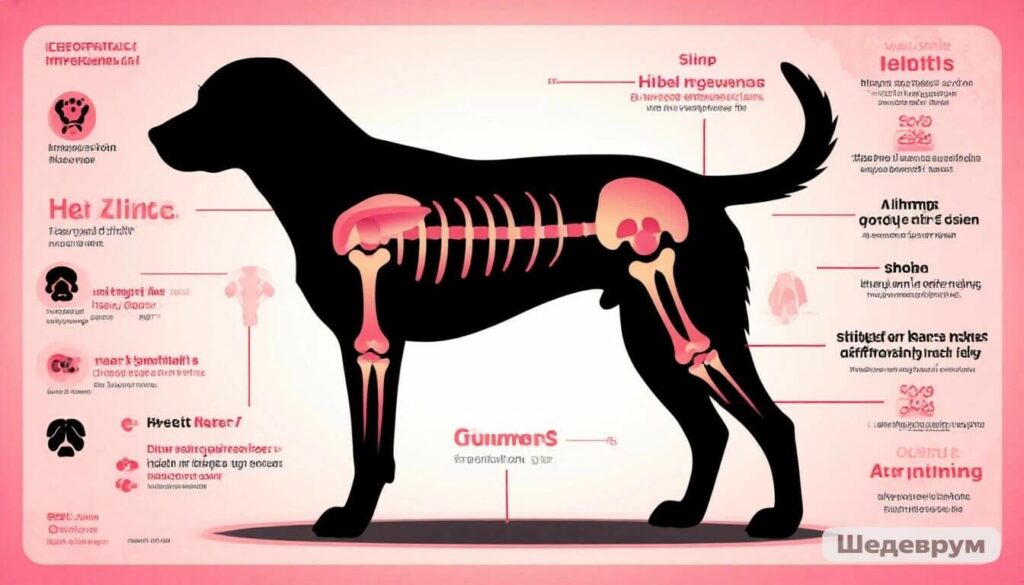
Diagnosing Arthritis
If you suspect arthritis, schedule a veterinary exam. Diagnosis usually involves:
- Physical examination (palpation, range of motion)
- Radiographs (X‑rays) to visualise joint changes
- Occasionally blood work to rule out other causes
AAHA guidelines recommend routine mobility assessments for all senior dogs.
Managing Canine Arthritis: A Multi‑Modal Approach
1. Weight Management
Every extra pound increases stress on joints. Weight loss is the single most effective intervention. A 10‑15% reduction in body weight can dramatically improve comfort and mobility.
See our Pet Obesity 2026 guide for practical weight‑loss strategies.
2. Appropriate Exercise
- Low‑impact activities: swimming, leash walks on soft surfaces
- Frequency: several short walks daily rather than one long hike
- Avoid: high‑impact activities like frisbee or agility once arthritis is advanced
3. Joint Supplements & Nutraceuticals
- Glucosamine & chondroitin – may support cartilage health
- Omega‑3 fatty acids (fish oil) – potent anti‑inflammatory effects
- Green‑lipped mussel extract – emerging evidence for pain relief
See our Best Probiotics for Dogs 2026 guide (probiotics also support gut‑joint health).
4. Prescription Pain Medications
- Non‑steroidal anti‑inflammatory drugs (NSAIDs) – first‑line, but must be prescribed by a vet
- Other analgesics – gabapentin, amantadine for chronic pain
- Never give human pain relievers (ibuprofen, acetaminophen) – they are toxic
5. Physical Rehabilitation
- Therapeutic exercises (underwater treadmill, passive range of motion)
- Laser therapy – reduces inflammation
- Acupuncture – may provide additional pain relief
6. Environmental Modifications
- Orthopedic beds – thick memory foam to cushion joints
- Ramps or steps – for cars, sofas, and beds
- Non‑slip flooring – rugs or yoga mats on slippery floors
- Raised food and water bowls – reduces neck and back strain

Nutrition for Arthritic Dogs
A diet that supports joint health includes:
- High‑quality protein to maintain muscle mass
- Controlled calories to prevent weight gain
- Added omega‑3 fatty acids
- Limited inflammatory ingredients (some dogs benefit from grain‑free or limited‑ingredient diets)
See our How to Choose the Best Pet Food 2026 guide for help selecting the right diet.
When to Seek Specialist Care
If your dog’s pain is not well controlled with standard therapies, ask your vet about:
- Board‑certified veterinary rehabilitation specialists
- Orthopaedic referral (for possible surgery)
- Interventional pain management (e.g., nerve blocks, joint injections)
Frequently Asked Questions
Can arthritis be cured?
No, but with proper management most dogs live comfortably for years.
How can I tell if my dog is in pain?
Subtle signs: reluctance to move, changes in behaviour, irritability, licking joints, decreased appetite.
What is the best joint supplement?
Omega‑3 fatty acids have the strongest evidence. Glucosamine/chondroitin may help some dogs. Always choose products with the National Animal Supplement Council (NASC) Quality Seal.
Should I still walk my arthritic dog?
Yes, gentle, regular exercise is essential. Short, frequent walks are better than one long walk.
Are there natural remedies that work?
Supplements like omega‑3s and green‑lipped mussel can help, but severe arthritis usually requires prescription medication. Always discuss with your vet.
Conclusion
Canine arthritis 2026 is a manageable condition. By recognising early signs, maintaining a healthy weight, providing appropriate exercise, and working closely with your veterinarian, you can keep your dog comfortable and active throughout their senior years.
For more information on senior dog care, explore our related guides: