Intro
Pet first aid guide 2026 is essential reading for every pet owner. Knowing what to do in the first critical minutes of an emergency can mean the difference between life and death for your dog or cat. Accidents happen—choking, bleeding, poisoning, heatstroke—and being prepared with basic first aid skills and a well-stocked kit can save your pet’s life while you seek professional veterinary care .
This comprehensive pet first aid guide 2026 covers the most common pet emergencies and provides step-by-step instructions for handling them safely and effectively. You’ll learn how to create a pet first aid kit, perform CPR, control bleeding, manage poisoning, treat burns, and recognize when it’s time to rush to the emergency vet. With this knowledge, you’ll be ready to act calmly and confidently when every second counts.
Why First Aid Knowledge Matters
The Golden Minutes
The first few minutes after an injury or sudden illness are critical. Your actions can:
- Stabilize your pet for transport
- Prevent further injury
- Reduce pain and shock
- Improve survival rates
- Provide valuable information to your veterinarian
Veterinarians at AVMA emphasize that pet owners who know basic first aid can make a significant difference in emergency outcomes.
What This Guide Will Teach You
- How to stay calm and assess the situation
- How to safely restrain and transport an injured pet
- Basic life support (CPR and rescue breathing)
- Bleeding control and wound care
- Poisoning first aid
- Managing fractures, burns, and heatstroke
- Choking rescue
- When to go to the emergency vet
Building a Pet First Aid Kit
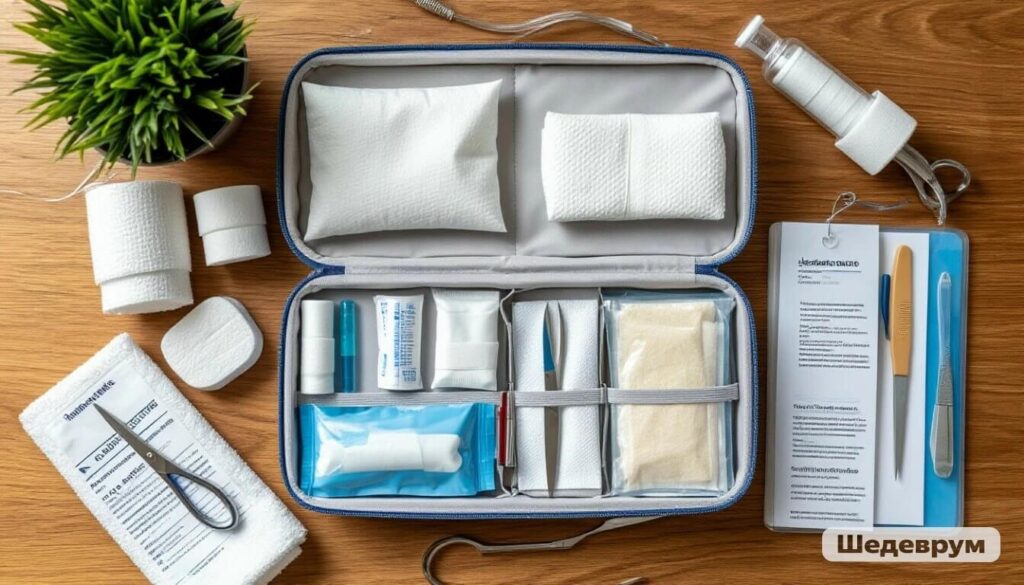
Essential Supplies
| Category | Items |
|---|---|
| Wound Care | Gauze pads, rolled gauze, adhesive tape, sterile non-stick pads, antiseptic wipes (non-alcohol), saline solution |
| Tools | Tweezers, blunt-ended scissors, digital thermometer (rectal), tick remover, disposable gloves, instant cold pack, emergency blanket |
| Medications | Antihistamine (diphenhydramine/Benadryl – vet-approved dosage), styptic powder (to stop nail bleeding), activated charcoal (for poisoning – only if directed by vet) |
| Documents | Vet contact info, 24-hour emergency clinic numbers, Pet Poison Helpline number (855-764-7661), copy of vaccination records, recent photo of your pet |
| Comfort | Muzzle (for dogs in pain – even friendly dogs may bite), towel, blanket, small flashlight |
See our Pet Emergency Preparedness 2026 guide for a more detailed list and how to pack a “go bag”.
General Principles of Pet First Aid
Stay Calm and Assess
- Approach slowly and calmly. Speak in a soothing voice.
- Protect yourself. An injured or frightened pet may bite or scratch. Use a muzzle for dogs if needed; wrap cats in a towel.
- Check for breathing and heartbeat before starting any procedure.
Safely Restrain and Transport
- For small dogs and cats: Place in a carrier or box with a towel for comfort.
- For large dogs: Use a blanket as a stretcher. Have two people lift.
- If your pet is not breathing or has no heartbeat: Begin CPR immediately (see below).
CPR and Rescue Breathing
Check Responsiveness
- Gently call your pet’s name. Tap them. Do not shake violently.
- If unresponsive, check for breathing and heartbeat.
Rescue Breathing (Artificial Respiration)
- Lay your pet on their side.
- Close their mouth gently with your hand.
- Place your mouth over their nose (for dogs) or over both nose and mouth (for cats and small dogs).
- Exhale gently until you see the chest rise.
- Give one breath every 4-5 seconds (10-12 breaths per minute). Watch for chest rise.
Chest Compressions (CPR)
- For dogs and cats over 10 kg: Place your hands over the widest part of the chest (just behind the elbows) and compress 1/3 to 1/2 the chest depth at a rate of 100-120 compressions per minute.
- For small dogs and cats: Use one hand to compress the chest over the heart, or use the thumb-and-finger technique (squeeze the chest from both sides).
- Combine compressions and breaths: Give 30 compressions then 2 breaths. Continue until your pet starts breathing or you reach a veterinary clinic.
American Red Cross Pet CPR offers certified pet first aid courses.

Bleeding and Wounds
Control Bleeding
- Apply direct pressure with a clean gauze pad or cloth. Do not remove if blood soaks through; add more layers.
- Apply a pressure bandage if bleeding continues.
- Use a tourniquet only as a last resort for severe limb bleeding—apply above the wound, note the time, and seek immediate veterinary care.
Cuts and Scrapes
- Clean minor wounds with saline or diluted antiseptic (no alcohol).
- Apply antibiotic ointment (pet-safe) if needed.
- Cover with a light bandage to prevent licking.
Puncture Wounds and Bite Wounds
- These often require veterinary care even if they look minor (risk of infection).
- Do not probe or squeeze.
- Transport your pet to the vet.
Fractures and Trauma
Signs of a Fracture
- Limping or inability to use a limb
- Swelling, bruising
- Bone visible (compound fracture)
- Pain when touched
What to Do
- Do not attempt to set the bone.
- Immobilize the limb with a padded splint (rolled newspaper, cardboard) and bandage. Do not make it too tight.
- Muzzle your pet (even if they are not normally aggressive, pain can cause biting).
- Transport carefully on a stretcher (blanket) to the vet.
Poisoning
Common Pet Toxins
- Human medications (ibuprofen, acetaminophen)
- Chocolate, grapes, raisins, xylitol
- Rat poison, antifreeze
- Lilies (extremely toxic to cats)
- Household cleaners, essential oils
See our list of toxic foods for dogs and common household dangers.
What to Do
- Remove your pet from the source.
- Do NOT induce vomiting unless instructed by a veterinarian or poison control. Inducing vomiting can be harmful in some cases (e.g., with caustic substances, sharp objects).
- Call your veterinarian or the Pet Poison Helpline immediately: 855-764-7661 (fee applies).
- Collect the packaging or substance to show the vet.
Heatstroke and Burns
Heatstroke
Signs: Excessive panting, drooling, bright red gums, vomiting, collapse, seizures.
What to Do:
- Move to a cool area.
- Apply cool (not cold) water to the body, especially the belly, paws, and ears.
- Offer small amounts of cool water.
- Seek veterinary care immediately — heatstroke can cause organ damage even after symptoms improve.
Burns
Thermal burns: Cool with cool running water for 10-15 minutes, cover with a clean, non-stick bandage, and go to the vet.
Chemical burns: Flush with copious amounts of water, wear gloves, and transport immediately.
Choking
Signs of Choking
- Pawing at the mouth
- Gagging, retching, coughing
- Difficulty breathing
- Blue gums
What to Do
- Carefully open your pet’s mouth and look for an object. If visible and easily grasped, gently remove it with tweezers or your fingers.
- Do NOT blindly sweep the mouth — you may push the object deeper.
- If the pet is unconscious or not breathing: Perform the Heimlich maneuver (for small pets: hold with back against your chest, give sharp thrusts under the rib cage; for large dogs: stand behind, wrap arms around abdomen, give quick inward-upward thrusts).
- Transport immediately even if the object is removed, as there may be internal damage.
Seizures
What to Do
- Clear the area of furniture and objects your pet could injure themselves on.
- Do NOT put your hands near their mouth — they will not swallow their tongue, and you may be bitten.
- Time the seizure. If it lasts more than 2-3 minutes, or if multiple seizures occur, this is a medical emergency.
- After the seizure, keep your pet calm and quiet. They may be disoriented.
- Call your veterinarian. Seizures can indicate serious underlying disease.
When to Go to the Emergency Vet
Seek Immediate Veterinary Care If:
- Your pet is not breathing or has no heartbeat
- Severe bleeding that won’t stop
- Suspected poisoning
- Unconsciousness
- Seizures lasting more than 2 minutes
- Difficulty breathing
- Inability to urinate (especially male cats)
- Eye injuries
- Fractures
- Heatstroke
- Known toxin ingestion
Keep Emergency Numbers Handy
- Your regular veterinarian (office hours)
- 24-hour emergency vet (locate one in advance)
- Pet Poison Helpline: 855-764-7661
- ASPCA Poison Control: 888-426-4435
Frequently Asked Questions
Can I use human first aid supplies on my pet?
Many are safe (gauze, bandages), but never use human pain relievers (ibuprofen, acetaminophen) — they are toxic to pets.
How do I give my pet a pill if they are in pain?
Use a pill pocket or wrap in a small amount of cheese or wet food. If you can’t, your vet can provide alternative formulations.
Should I muzzle my pet for first aid?
If there’s any risk of biting, yes. A basket muzzle allows panting and is safest. For cats, wrap in a towel (a “kitty burrito”).
My cat swallowed a string. What should I do?
Do not pull it out — pulling can cause internal injury. Go to the vet immediately.
How do I check my pet’s pulse?
For dogs and cats, place your hand over the left side of the chest, just behind the elbow, or feel for the femoral pulse on the inner thigh.
What is the best way to take my pet’s temperature?
Use a digital rectal thermometer lubricated with petroleum jelly. Normal temperature: 101–102.5°F (38.3–39.2°C).
Conclusion
Pet first aid guide 2026 provides the knowledge you need to act quickly and effectively in an emergency. While this guide covers the basics, we strongly recommend taking a hands-on pet first aid and CPR course from a certified instructor . The more prepared you are, the better your pet’s chances of a full recovery. We hope this pet first aid guide 2026 gives you the confidence to act in an emergency.
This pet first aid guide 2026 is your starting point. Print it, keep it with your first aid kit, and review it regularly. For more information on keeping your pet safe, check out our other guides: