Intro
Can cats eat rice? This is a common question for cat owners dealing with digestive issues in their pets. When your cat has an upset stomach, you might wonder if plain rice is a safe remedy. Rice is a common ingredient in many cat foods, but does that mean you can serve it straight from your plate? This guide explains when and how plain rice can be appropriate for cats, and when it’s best to avoid it.
Is Rice Safe for Cats?
Yes, plain, cooked white rice is generally non-toxic and safe for most cats to eat in very small, infrequent amounts. However, it offers minimal nutritional benefit to obligate carnivores like cats and should never become a regular part of their diet. It is sometimes recommended by veterinarians as part of a bland diet for specific, short-term digestive issues.
Potential Benefits of Rice for Cats
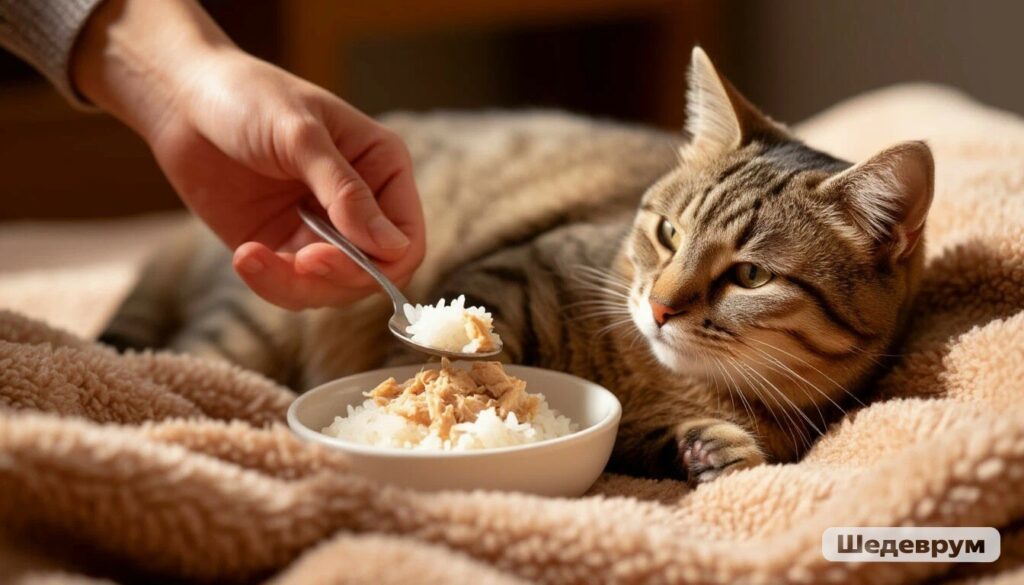
The benefits are situational and not related to daily nutrition:
- Digestive Aid: Plain white rice is easy to digest and can help bind stool, making it a temporary solution for cats experiencing mild diarrhea. It’s often part of a “bland diet” (e.g., mixed with boiled chicken) for gastrointestinal recovery.
- Source of Energy: As a carbohydrate, rice provides energy. However, cats derive their primary energy from animal-based proteins and fats, not carbs.
- Low in Fat: Its low-fat content can be gentle on a sensitive stomach. Many owners ask, can cats eat rice when they have diarrhea? Yes, plain white rice can help bind stool.
Important Risks and Precautions
Feeding rice incorrectly or too often can cause problems:
- Nutritional Deficiency: Rice lacks the essential amino acids (like taurine), vitamins, and fatty acids that cats must get from meat. Relying on rice can lead to serious malnutrition.
- Digestive Issues: For cats without stomach problems, introducing rice can cause constipation, bloating, or gas. Brown rice, while healthier for humans, is higher in fiber and harder for cats to digest.
- Weight Gain and Diabetes: Excess carbohydrates contribute to obesity and can increase the risk of diabetes in cats, whose bodies are not designed to process high carb loads.
- Never Serve Seasoned Rice: Rice cooked with garlic, onions, salt, or butter is toxic or harmful to cats. Only plain, unseasoned rice is safe. Before feeding, you should know that can cats eat rice safely only if it’s plain, cooked, and offered in tiny amounts.
According to the American Veterinary Medical Association, any dietary changes for pets should be discussed with a veterinarian.
How to Feed Rice to Your Cat Safely (If Recommended)
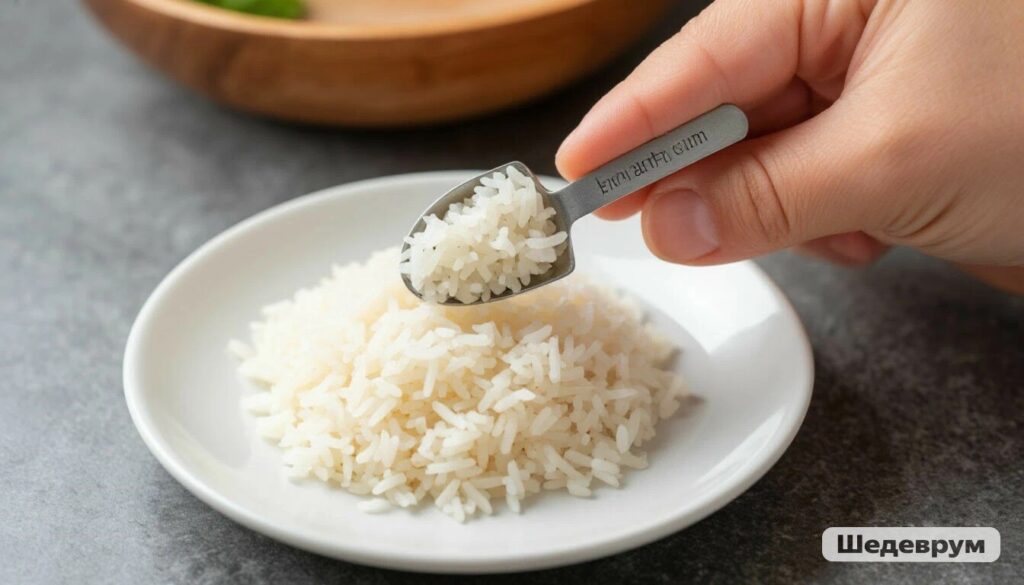
Only offer rice under these strict conditions:
- Consult Your Veterinarian First: This is crucial. Only give rice if your vet recommends it for a specific, short-term issue.
- Prepare Plain White Rice: Cook plain white rice in water until it’s very soft and mushy. Let it cool completely to room temperature.
- Serve a Tiny Amount: For a bland diet, mix 1-2 teaspoons of cooked rice with a larger portion of plain, boiled chicken (no skin, no bones, no seasoning). Do not serve rice alone.
- Short-Term Use Only: This should be fed for no more than 24-48 hours as directed by your vet to settle an upset stomach, before transitioning back to their regular diet. To answer the question can cats eat rice, always consult your vet first and start with a 1/4 teaspoon mixed with boiled chicken.
If you’re also a dog owner, you might wonder about rice and chicken for dogs – it’s a common bland diet for canines too.
How Often Can Cats Eat Rice?
For the vast majority of cats, the answer is never as a routine treat. Cats have no dietary requirement for rice. Its use should be reserved for specific medical circumstances under veterinary guidance. For digestive support in a healthy cat, a safer and more suitable option is a small amount of plain canned pumpkin. If your cat consistently has digestive issues, it’s critical to investigate the root cause—our article on why cats stop eating covers related health concerns. According to the American Veterinary Medical Association, any dietary changes for pets should be discussed with a veterinarian.
Conclusion
Plain, cooked white rice is not harmful in itself but is largely unnecessary for feline health. While it can serve as a short-term digestive aid under veterinary supervision, it provides no stand-alone nutritional value for your cat. The best diet for your cat is a high-quality, protein-rich commercial or veterinary-formulated food that meets all their specific nutritional needs. Always consult your vet before making dietary changes. In summary, can cats eat rice? Yes, but only as an occasional, vet-approved digestive aid, not a regular meal.