Intro
How often should you feed a cat? This is a common question for cat owners. Establishing the right feeding schedule is crucial for your cat’s health, weight management, and happiness. Establishing the right feeding schedule is crucial for your cat’s health, weight management, and happiness. Unlike dogs, cats have unique metabolic needs and feeding behaviors rooted in their biology as solitary hunters. This comprehensive guide will help you determine how often to feed your cat based on their age, health, and lifestyle, moving beyond the simple act of filling a bowl.
Understanding Your Cat’s Natural Feeding Instincts
Cats are obligate carnivores and natural grazers. In the wild, they would eat multiple small meals (10-20!) throughout the day and night. Domestic schedules should aim to mimic this pattern to prevent boredom, overeating, and behavioral issues.
Key Factors That Determine Feeding Frequency
The ideal schedule depends on several key variables:
- Age: Kittens, adults, and seniors have vastly different caloric and metabolic needs.
- Health Status: Conditions like diabetes, kidney disease, or hyperthyroidism require specific, timed feeding protocols prescribed by a vet.
- Weight & Body Condition: Is your cat underweight, ideal, or overweight? Portion control and frequency are key tools for weight management.
- Lifestyle & Personality: Is your cat highly active or a couch potato? Do they eat ravenously or pick at their food?
Understanding these factors helps answer the question: how often should you feed a cat?
According to the American Veterinary Medical Association, regular feeding schedules help prevent obesity and behavioral issues in cats.
Recommended Feeding Schedule by Age & Lifestyle
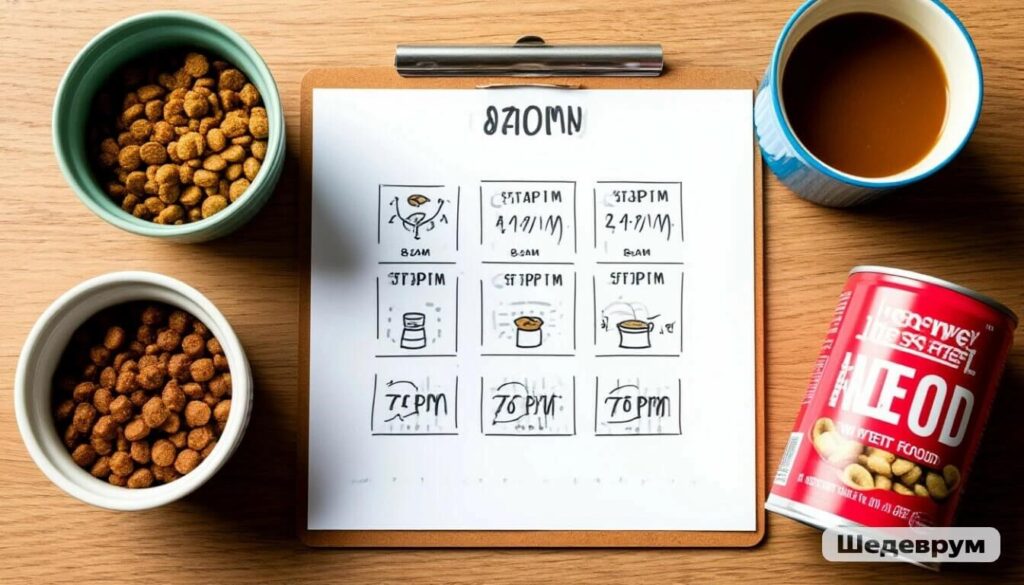
Here is a practical guide to structuring your cat’s meals:
How Often Should You Feed a Cat? A Complete Guide
| Life Stage & Scenario | Recommended Frequency | Rationale & Key Tips |
|---|---|---|
| Kittens (Under 6 months) | 4+ small meals per day | Rapid growth and tiny stomachs require constant fuel. Free-feeding high-quality kitten kibble is often acceptable, supplemented with timed wet food meals. |
| Adult Cats (1-7 years) | 2-4 meals per day | The gold standard is at least 2 meals, but splitting their daily portion into 3-4 smaller meals is ideal. This reduces hunger anxiety and mimics natural grazing. |
| Senior Cats (7+ years) | 2-3 smaller meals per day | Metabolism slows. Smaller, more frequent meals can aid digestion and be easier on aging kidneys. Monitor appetite closely. |
| Weight Loss Program | 3-4+ measured meals per day | More frequent small meals keep metabolism active, prevent hunger-induced begging, and help your cat feel satisfied while consuming fewer calories. |
| Multi-Cat Household | Separate, timed meals (2+ per day) | Essential to monitor each cat’s intake, prevent food bullying, and manage different dietary needs. Feed in separate rooms if necessary. |
This table provides a clear answer to how often should you feed a cat based on life stage.
Portion Control: The Other Half of the Equation
A schedule is useless without controlling how much you feed.
- Determine Daily Calories: Your veterinarian can calculate your cat’s ideal daily caloric intake (DER) based on weight and condition. The number on the food bag is a starting point.
- Use a Measuring Cup or Scale: Precisely measure kibble. For wet food, know the calories per can or pouch.
- Split the Daily Portion: Divide the total daily calories by your chosen number of meals.
- Account for ALL Food: Treats should not exceed 10% of daily calories. Subtract treat calories from main meals.
Pros and Cons of Different Feeding Methods
- Timed Meals (Recommended):
- Pros: Control over portions, easy to monitor appetite (a key health indicator), essential for multi-cat homes and weight management.
- Cons: Requires your presence at set times.
- Free-Feeding (Dry Kibble Only):
- Pros: Convenient, suits some grazers.
- Cons: Major contributor to obesity, impossible to monitor intake, unsuitable for multi-cat homes or wet food.
- Hybrid Approach (Recommended):
- How it works: Provide a small, measured portion of dry kibble for grazing, supplemented with 1-2 scheduled meals of wet food.
- Pros: Increases moisture intake, provides mental stimulation, offers the benefits of both methods with better control.
Special Considerations & Tips for Success
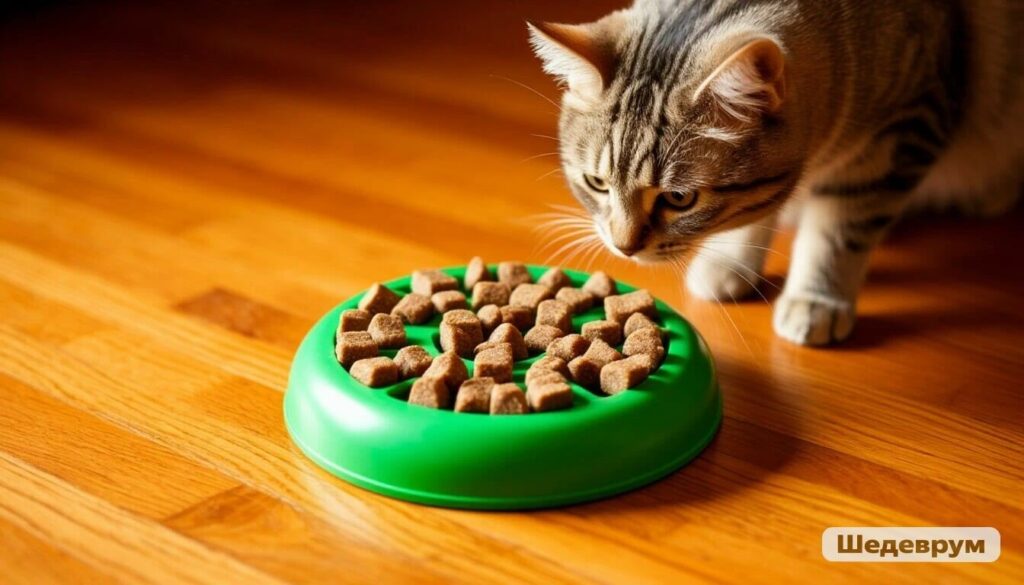
- Use Food Puzzles & Slow Feeders: For kibble, these tools stimulate natural hunting instincts, slow down fast eaters, and provide mental enrichment.
- Consistency is Key: Feed at the same times each day. Cats thrive on routine.
- Quiet, Safe Location: Feed in a low-traffic area away from litter boxes and noisy appliances.
- Transitioning Schedules: Change meal frequency gradually over a week by adjusting portion sizes.
- Hydration is Critical: Especially for cats on dry food. Consider a water fountain and always include wet food in their diet. For cats with urinary issues, your vet may recommend a specific schedule. It’s also important to monitor their overall appetite; a sudden loss of interest in food can be a red flag. If you’re concerned, our guide on why your cat might not be eating explores common causes. For natural digestive support, learn about plain cooked pumpkin for cats.
Conclusion
For most adult cats, the ideal feeding schedule involves multiple small meals (2-4) per day, using measured portions to meet their exact caloric needs. Moving away from a single large meal or unchecked free-feeding can dramatically improve your cat’s weight, digestion, and behavior. The best schedule is one tailored to your individual cat’s needs in consultation with your veterinarian. By understanding and working with your cat’s natural instincts, you can turn mealtime into a cornerstone of their long-term health and wellbeing. In summary, how often should you feed a cat depends on age, health, and lifestyle, but multiple small meals are best. Curious about other human foods? Check our guide on bananas for cats.