Intro
A proper puppy feeding schedule is essential for your pup’s healthy growth and development. Raising a healthy, happy puppy starts with proper nutrition and a consistent feeding routine. Unlike adult dogs, puppies have rapidly changing needs that vary dramatically by age, size, and breed. This complete guide provides a clear puppy feeding schedule, explains portion control, and highlights key considerations for different breed sizes to ensure your pup gets the best start in life.
Why a Puppy Feeding Schedule Matters for Healthy Growth
A structured feeding routine is vital for more than just nutrition:
- Supports Rapid Growth: Puppies need frequent meals to fuel their development without overtaxing their small stomachs.
- Aids in Housetraining: Predictable meal times lead to predictable elimination times, making accidents easier to manage.
- Prevents Hypoglycemia: Especially in toy breeds, going too long without food can cause dangerous drops in blood sugar.
- Establishes Good Behavior: Teaches patience and discourages food guarding or begging.
A consistent puppy feeding schedule supports healthy digestion and behavior.
According to the American Veterinary Medical Association, proper nutrition in the first year is critical for a puppy’s long-term health.
General Puppy Feeding Schedule by Age
This table outlines the standard progression of meal frequency as your puppy grows.
| Puppy Age | Recommended Meals Per Day | Key Rationale & Tips |
|---|---|---|
| Weaning to 3 Months | 4 meals | Very small stomachs and high energy needs. Use food softened with warm water for young pups. |
| 3 to 6 Months | 3 meals | Growth is still rapid. This is a common age to transition from soft to dry kibble. |
| 6 to 12 Months | 2 meals | Most puppies can transition to an adult schedule. Large/Giant breeds may stay on 3 meals longer. |
Note: Always provide fresh water. After a meal, allow for a potty break 15-30 minutes later.
This puppy feeding schedule by age ensures your pup gets the right nutrition at each stage.
How to Determine the Right Portion Size
Frequency is one part; accurate portion size is essential to prevent under or overfeeding.
- Follow the Food’s Guide: Start with the detailed feeding chart on your puppy-specific food bag. These charts are weight and age-based.
- Use a Measuring Cup: Never eyeball portions. Use a standard measuring cup for consistency.
- Monitor Body Condition: Regularly feel your puppy’s ribs. You should be able to feel them easily with a thin layer of fat. Adjust portions weekly based on growth and condition.
- Account for All Calories: Remember that training treats should make up no more than 10% of daily calories. Reduce main meal portions accordingly.
For healthy, low-calorie treat ideas, see our guide on carrots for dogs.
Special Considerations by Breed Size
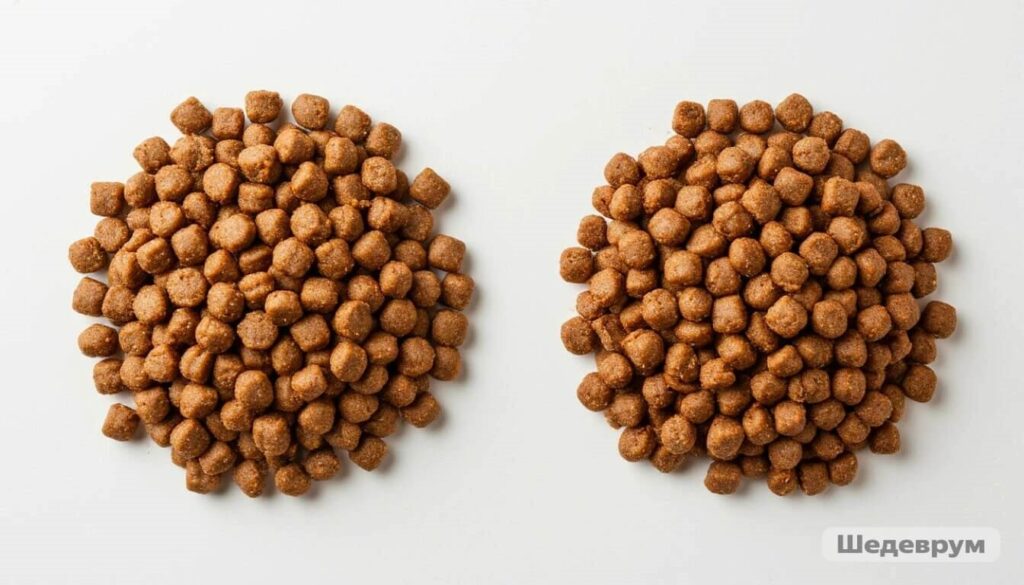
The breed size dramatically influences the type of food and feeding approach.
- Small & Toy Breeds (e.g., Chihuahua, Pomeranian):
- Risk: Hypoglycemia (low blood sugar).
- Schedule: May need 4 smaller meals until 6+ months old. Never let them go more than 4-5 hours without eating during the day.
- Food: Small-bite kibble formulated for high energy needs.
- Medium Breeds (e.g., Border Collie, Bulldog):
- Can generally follow the standard age-based schedule above.
- Focus on a balanced diet for steady growth without excess weight gain.
- Large & Giant Breeds (e.g., Labrador, Great Dane):
- Critical Goal: Slow, controlled growth to protect developing joints and bones.
- Schedule: Often benefit from 3 meals a day until 12-18 months to avoid overloading their system.
- Food: Must be a large-breed puppy formula. These foods have controlled calcium and calorie levels to prevent growth disorders.
- Prevent Bloat: Use a slow-feeder bowl, avoid exercise 1 hour before/after meals, and ensure calm during eating.
- Adjust your puppy feeding schedule based on breed size to prevent growth disorders.
Transitioning to Adult Dog Food and Schedule
The shift is based on maturity, not just age:
- Small Breeds: Mature faster. Can transition around 9-12 months.
- Medium Breeds: Transition around 12 months.
- Large/Giant Breeds: Mature slower. Transition between 18-24 months. Always consult your vet.
- How to Transition: Mix the new adult food with the puppy food over 7-10 days, gradually increasing the adult ratio.
For guidance on the next life stage, see our Adult Dog Feeding Guide.
Common Puppy Feeding Mistakes to Avoid
- Free-Feeding (Leaving food out all day): Makes housetraining difficult and prevents monitoring of appetite.
- Overfeeding: Leads to obesity and stresses joints, especially in large breeds.
- Using Adult Dog Food: Lacks crucial nutrients for proper puppy development.
- Ignoring the Food Label: Not all “puppy” foods are equal, especially for large breeds. Learn which harmful ingredients to avoid when choosing your puppy’s food.
Conclusion
A disciplined puppy feeding schedule tailored to your dog’s age and breed size is one of the most impactful things you can do for their long-term health. Stick to measured meals from a quality puppy formula, pay close attention to the needs of your puppy’s breed size, and transition to adult food thoughtfully. Your veterinarian is your best partner in creating and adjusting this plan, ensuring your furry friend grows into a strong and healthy adult dog. For guidance on the next life stage, see our Adult Dog Feeding Guide. Remember, a tailored puppy feeding schedule is the foundation of lifelong health.