Intro
Pet stress 2026 is a growing concern for owners who notice changes in their dog’s or cat’s behavior. Whether you have a dog or a cat, understanding pet stress 2026 is essential for their wellbeing. Just like humans, animals can suffer from anxiety triggered by environmental changes, loud noises, separation, or past trauma. Chronic stress not only affects their quality of life but can also lead to health problems such as digestive issues, weakened immunity, and skin conditions . This pet stress guide will help you recognize early warning signs, identify common triggers, and apply effective calming strategies to restore peace in your home.
Why Recognising Pet Stress Matters
Stress isn’t just an emotional state – it has real physical consequences. When an animal is under chronic stress, cortisol levels remain high, which can suppress the immune system, trigger inflammation, and even shorten lifespan. Recognizing stress early allows you to modify the environment or seek professional help before the problem escalates.
Veterinarians at AVMA emphasise that behavioural changes are often the first sign of underlying medical or emotional issues.
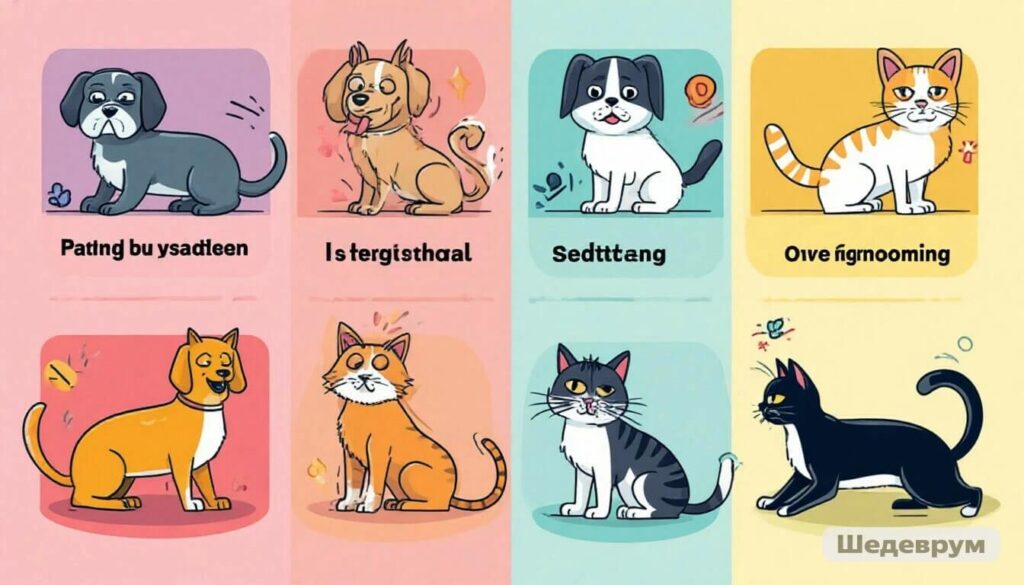
Common Signs of Stress in Dogs
| Sign | What It Looks Like |
|---|---|
| Panting | Excessive panting without physical exertion |
| Lip licking / yawning | Appeasement gestures when no food or tiredness |
| Tucked tail | Tail between legs, lowered body posture |
| Pacing | Restless walking in circles or back and forth |
| Shaking / trembling | Even when not cold |
| Hiding | Seeking corners, under furniture |
| Destructive behaviour | Chewing furniture, digging, scratching doors |
| Loss of appetite | Refusing treats or meals |
| Increased reactivity | Barking, growling at things normally ignored |
Common Signs of Stress in Cats
| Sign | What It Looks Like |
|---|---|
| Hiding | Spending excessive time under beds, in closets |
| Over‑grooming | Licking fur off belly, legs, causing bald spots |
| Changes in litter box use | Urinating or defecating outside the box |
| Decreased appetite | Refusing food or eating less |
| Increased vocalisation | Excessive meowing, yowling |
| Aggression | Hissing, swatting, biting when previously friendly |
| Crouched posture | Tense body, ears flattened, tail tight |
| Excessive scratching | Scratching furniture more than usual |
Common Causes of Pet Stress
Environmental Triggers
- Loud noises: Thunderstorms, fireworks, construction, vacuum cleaners
- Changes in routine: New work schedule, visitors, home renovations
- New environments: Moving house, boarding kennels, vet visits
- Lack of enrichment: Boredom, insufficient play or exercise
Social Triggers
- Conflict with other pets: Bullying, resource guarding
- New family member: Baby, new pet, new partner
- Loss of a companion: Death of another pet or owner
- Inadequate socialisation: Fear of strangers, other dogs, or cats
Medical Causes
- Pain: Arthritis, dental disease, injuries
- Illness: Hyperthyroidism (cats), cognitive dysfunction (seniors)
- Sensory decline: Vision or hearing loss can cause startle responses
See our guide on how to tell if your cat is in pain for more on pain‑related stress.
How to Calm a Stressed Dog or Cat
1. Create a Safe Space
- Provide a quiet room or covered crate where the pet can retreat.
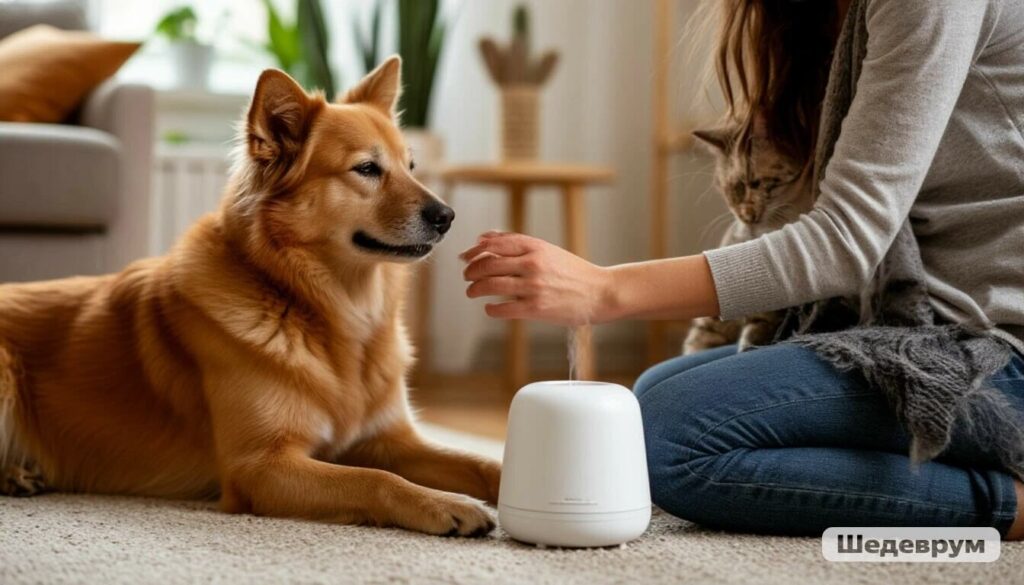
- Use soft bedding, familiar toys, and a pheromone diffuser (Adaptil for dogs, Feliway for cats).
2. Maintain Routine
- Feed, walk, and play at the same times daily. Predictability reduces anxiety.
3. Increase Physical and Mental Enrichment
- Dogs: Longer sniff walks, puzzle toys, training sessions.
- Cats: Interactive feeders, cat trees, window perches, hunting play.
4. Use Calming Aids
- Pheromone products: Adaptil (dog appeasing pheromone), Feliway (feline facial pheromone).
- Calming supplements: L‑theanine, alpha‑casozepine, melatonin (under vet guidance).
- ThunderShirt / anxiety wrap: Gentle pressure can soothe some animals.
- Music: Classical or specially designed pet‑calming playlists.
These methods are central to any effective pet stress 2026 management plan.
5. Desensitisation and Counter‑Conditioning
- For known triggers (e.g., fireworks, thunderstorms), gradually expose your pet at very low intensity while giving high‑value rewards.
- Work with a certified applied animal behaviorist for severe cases.
See our Puppy Training Guide 2026 for basic desensitisation techniques.
6. Veterinary Intervention
- If stress persists despite environmental changes, consult your vet. They may prescribe anti‑anxiety medication (e.g., fluoxetine, gabapentin) or treat underlying medical conditions.
- See our Pet First Aid Guide 2026 for emergency calming during acute panic.
Preventing Stress in Multi‑Pet Households
- Provide separate resources: food bowls, water stations, litter boxes, beds, resting areas.
- Follow the “one more than the number of cats” rule for litter boxes.
- Allow vertical escape routes for cats (shelves, cat trees).
- Use baby gates to create dog‑free zones for cats.
When to Seek Professional Help
- Aggression that poses a risk to people or other animals.
- Self‑mutilation (excessive licking, chewing, tail chasing).
- Complete refusal to eat or drink.
- Inappropriate elimination that doesn’t resolve with environmental changes.
- Signs of fear that are worsening despite your efforts.
American College of Veterinary Behaviorists can help you locate a specialist.
Frequently Asked Questions
Can stress cause my dog to have diarrhea?
Yes. Stress colitis is common and causes loose stools, sometimes with mucus or blood. If it persists, see your vet.
How can I tell if my cat is stressed or just bored?
Bored cats tend to be destructive or overly active; stressed cats hide, over‑groom, or become aggressive. A vet can help differentiate.
Are there natural remedies for pet anxiety?
L‑theanine, CBD (veterinary‑formulated), and pheromones have evidence of benefit. Always consult your vet before giving supplements.
Will getting another pet help my lonely dog?
Not usually. Adding another pet can increase stress unless both animals are well‑matched and introductions are slow. Focus on enrichment and your time first.
My pet panics during thunderstorms. What works best?
Create a den (interior room with white noise), use a ThunderShirt, play calming music, and talk to your vet about short‑term anti‑anxiety medication for storm season.
Conclusion
Pet stress 2026 is a manageable condition once you recognise the signs and understand the triggers. By creating a predictable environment, offering enrichment, using calming aids, and seeking veterinary support when needed, you can restore your dog’s or cat’s emotional wellbeing. This pet stress guide provides the tools to help your furry friend feel safe and relaxed. We hope this pet stress 2026 guide helps you and your pet enjoy a calmer, happier life together.
For more on behavioural health, explore our related guides: